
Vanilla flavorings: more is not always better
Vanilla systems are highly effective, but correct dosage is essential. Increasing vanillin concentration produces a stronger vanilla impression only up to a point. Beyond the optimum, the sensory gain slows and excessive dosage can introduce noticeable bitterness.
Overdosing therefore increases cost while potentially reducing product quality.
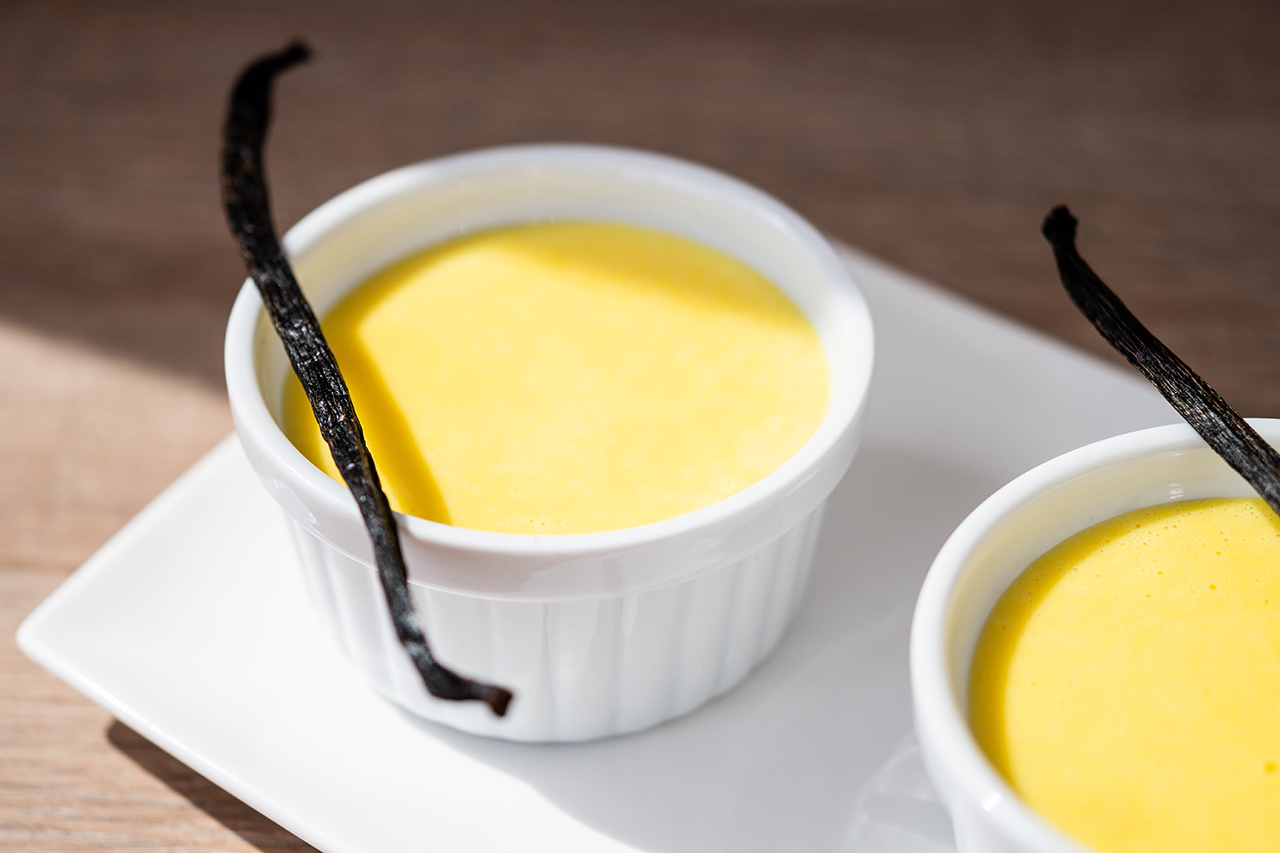
Pairing vanilla with other flavors
Vanilla is valuable not only as a standalone profile but also as a harmonizing component. It can:
- soften rough or harsh notes, including some cocoa profiles;
- emphasize milky and creamy character;
- round fruit, citrus, nut and chocolate flavors;
- connect spice blends into a more unified dessert profile.
Although traditional culinary opinions sometimes treat vanilla as difficult to combine with spices, industrial and bakery experience shows that it can work well with cinnamon, clove, ginger, coriander, pepper, anise and star anise when the balance is controlled.

How is dosage determined?
Flavor dosage is established by the flavor manufacturer for the intended applications and is then optimized in the actual food matrix. The sensory threshold, target intensity, process losses and carrier system all matter.
Requirements for infant and young-child foods, carriers and specific product categories can be more restrictive than those for general foods, so the relevant market rules must be built into development from the start.
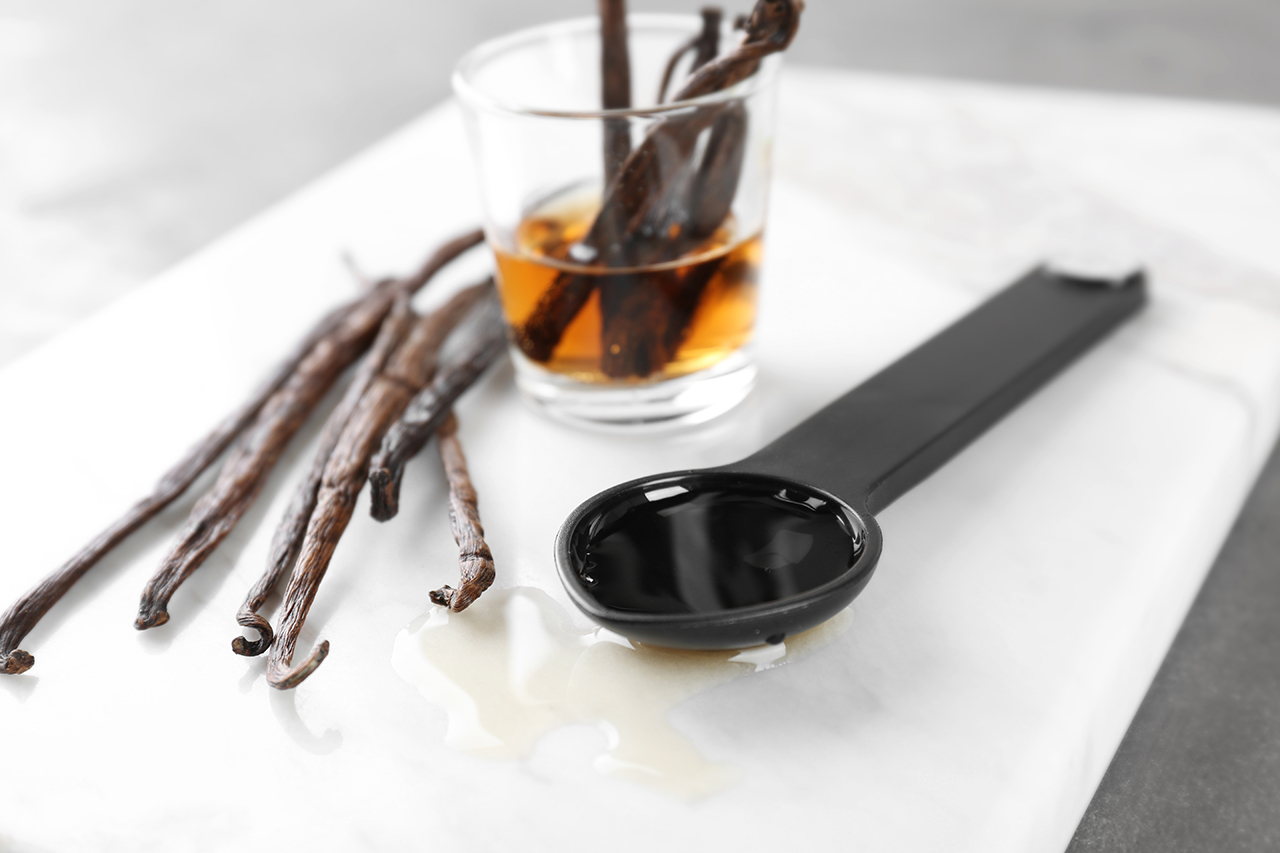
Compare cost-in-use, not price per kilogram
Vanilla flavorings are complex mixtures with very different concentrations. Unlike a standardized single chemical ingredient, two vanilla flavors cannot be compared meaningfully on purchase price alone.
The useful metric is cost-in-use: the flavor cost required to produce one kilogram or one tonne of finished product at the validated dosage.
This is particularly important for dry vanilla systems. A cheaper, highly diluted product can cost more in the final recipe than a more expensive but significantly more concentrated flavor.
WM vanilla systems
WM offers vanilla flavorings for different matrices, processing conditions and price segments. Our application specialists support customers with selection, dosage optimization, sensory testing and process adaptation.
Reference resources: EAEU TR CU 029/2012; Codex Alimentarius CXG 66-2008 — Guidelines for the Use of Flavourings; EFSA — Flavourings.