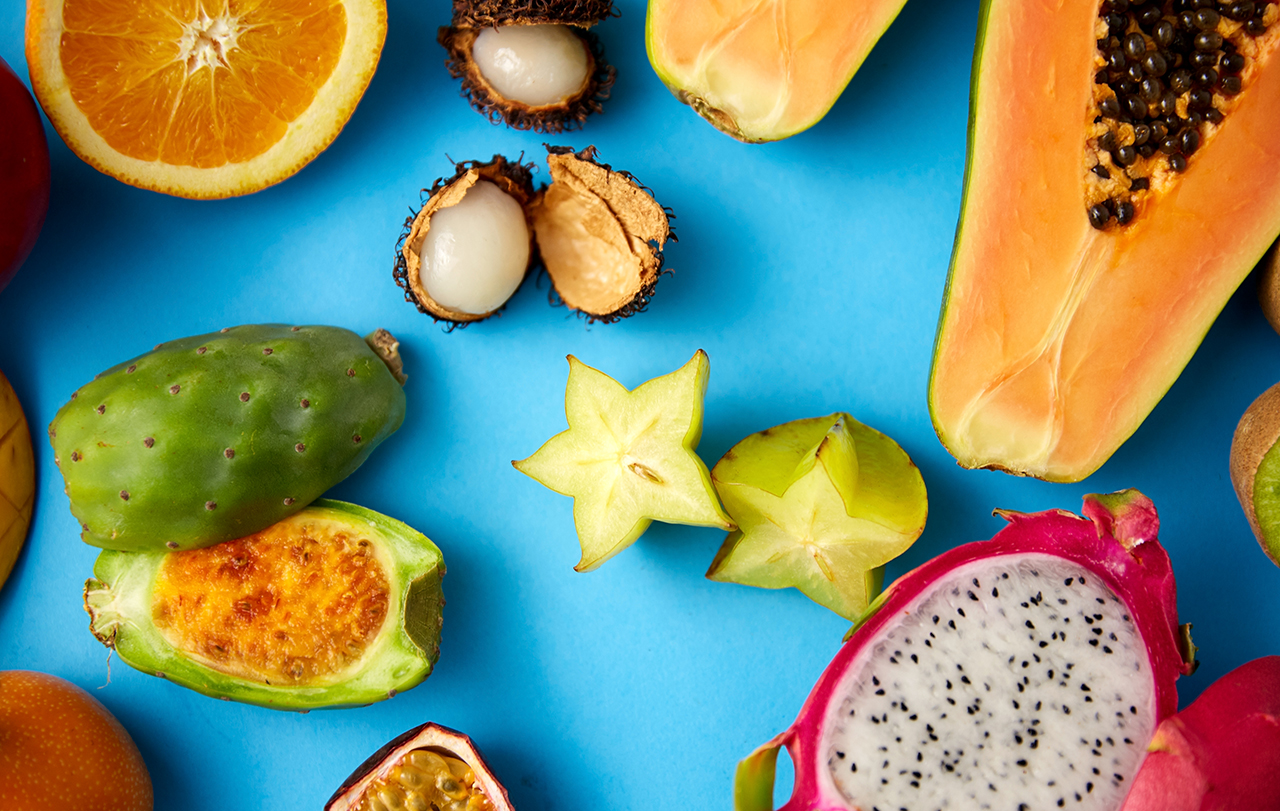
What does “superfood” actually mean?
“Superfood” is a marketing term rather than a formal scientific food category. It is usually applied to ingredients positioned as especially nutrient-dense or associated with health and wellness.
Common examples include acerola, açaí and goji berries; amaranth and quinoa; chia and hemp seeds; raw cacao; and algae such as spirulina.
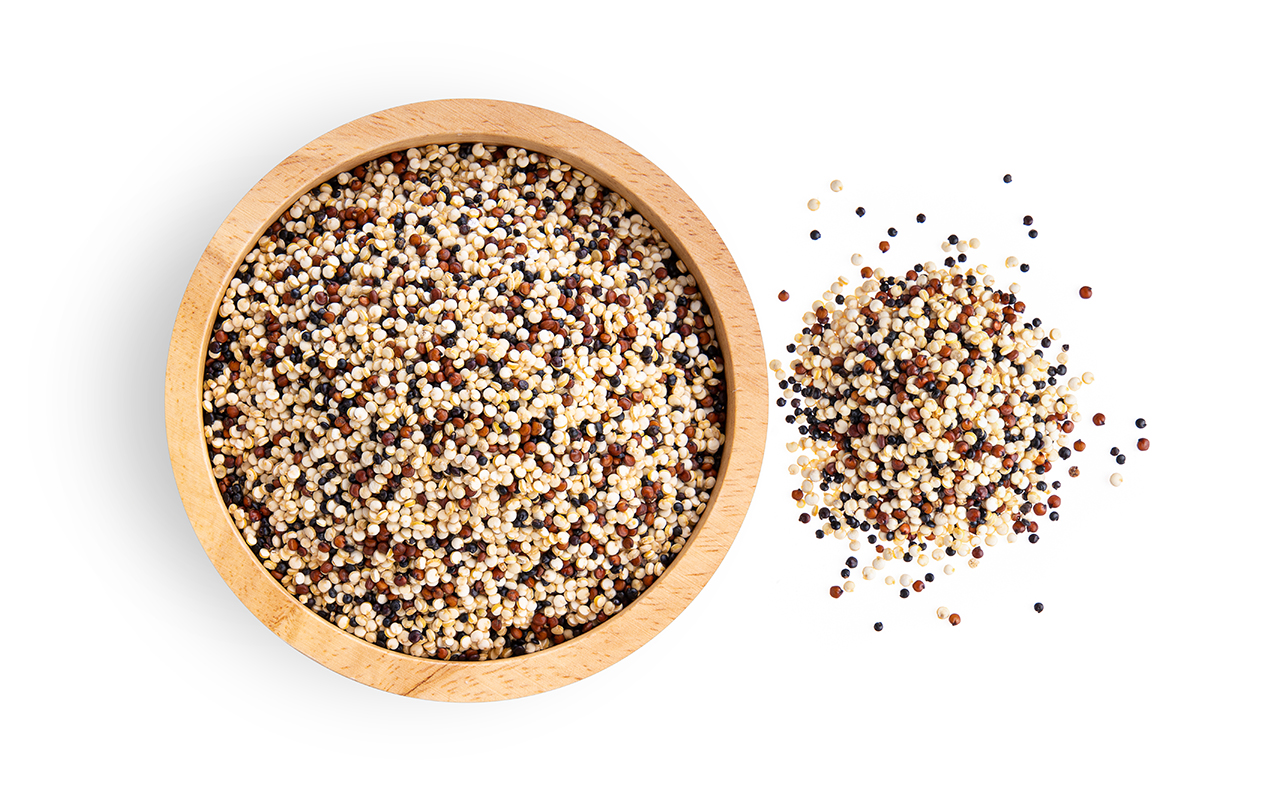
Why the story sells
Superfood positioning often combines three elements: an unusual origin, a long history of traditional use and a modern scientific vocabulary. Ancient culinary traditions can provide a strong story, but historical use alone does not prove a specific health effect.
The same applies to words such as “antioxidant,” “cognitive” or “detox.” In commercial communication, specific nutrition and health claims need an appropriate evidence base and must comply with the rules of the target market.
What nutrition science says
No single food can substitute for a balanced diet. Nutritional value depends on the entire eating pattern, portion size, preparation method and the interaction between ingredients.
Many foods marketed as superfoods are genuinely rich in fiber, micronutrients, polyphenols or other interesting components. Their value is real, but it is usually more useful to treat them as part of a diverse diet rather than as “miracle” ingredients.
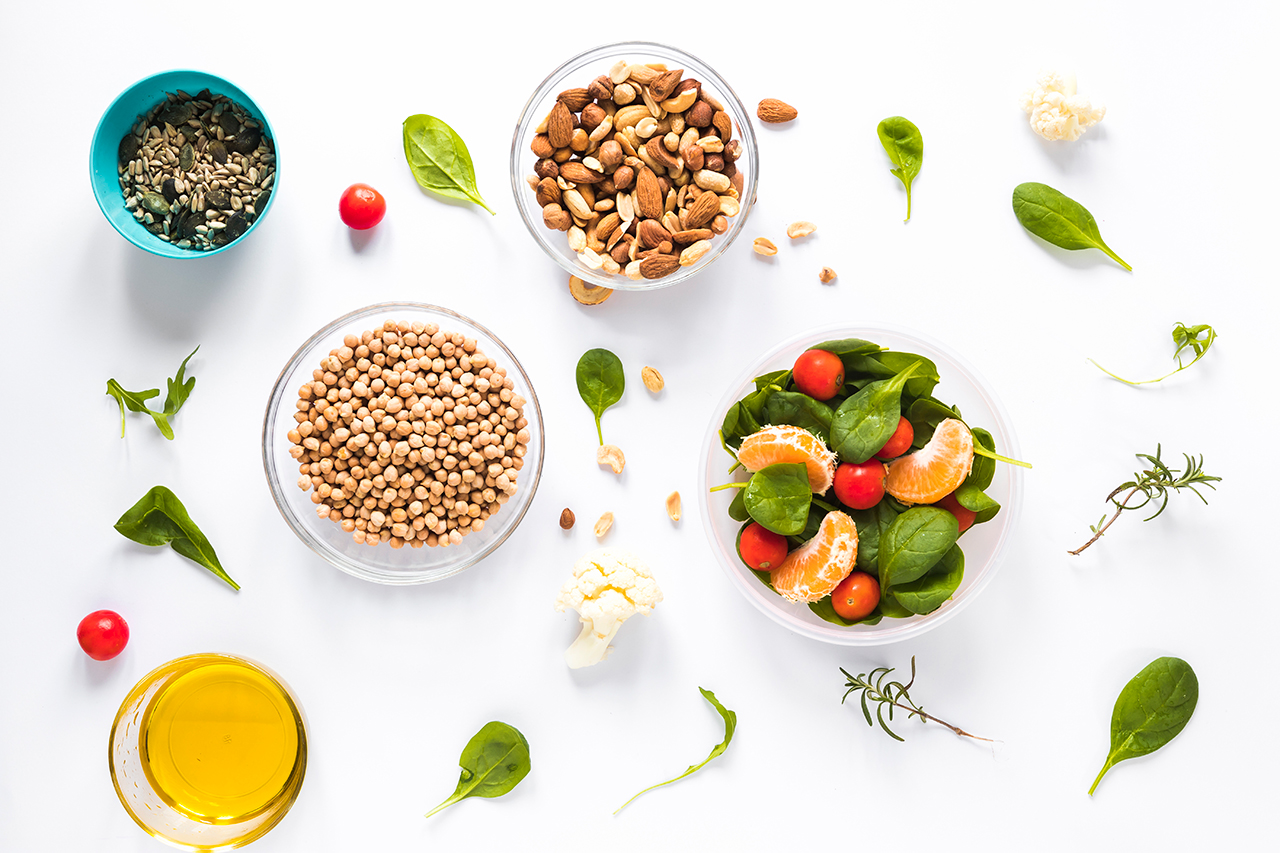
Local ingredients can be just as compelling
Exotic origin is not a prerequisite for nutritional density or a strong product story. Regional berries, herbs, grains and seeds can offer distinctive taste, cultural authenticity and a shorter route from source to product.
For brands, this creates an opportunity to build wellness concepts around ingredients consumers can connect with geographically and emotionally.
Northern and forest-inspired flavor directions
WM’s flavor palette includes profiles inspired by regional botanicals and berries, including:
Herbal: fireweed (Ivan tea), mint, rhubarb, sagan-daila and other forest-herb directions.
Berry: hawthorn, lingonberry, elderberry, blueberry, blackberry, honeysuckle, viburnum, cranberry, cloudberry, sea buckthorn, rowan, chokeberry, bird cherry and rosehip.
Taiga-inspired: pine nut, coniferous notes and broader forest profiles.
These flavors can be used to build a recognizable regional identity without making unsupported health promises.