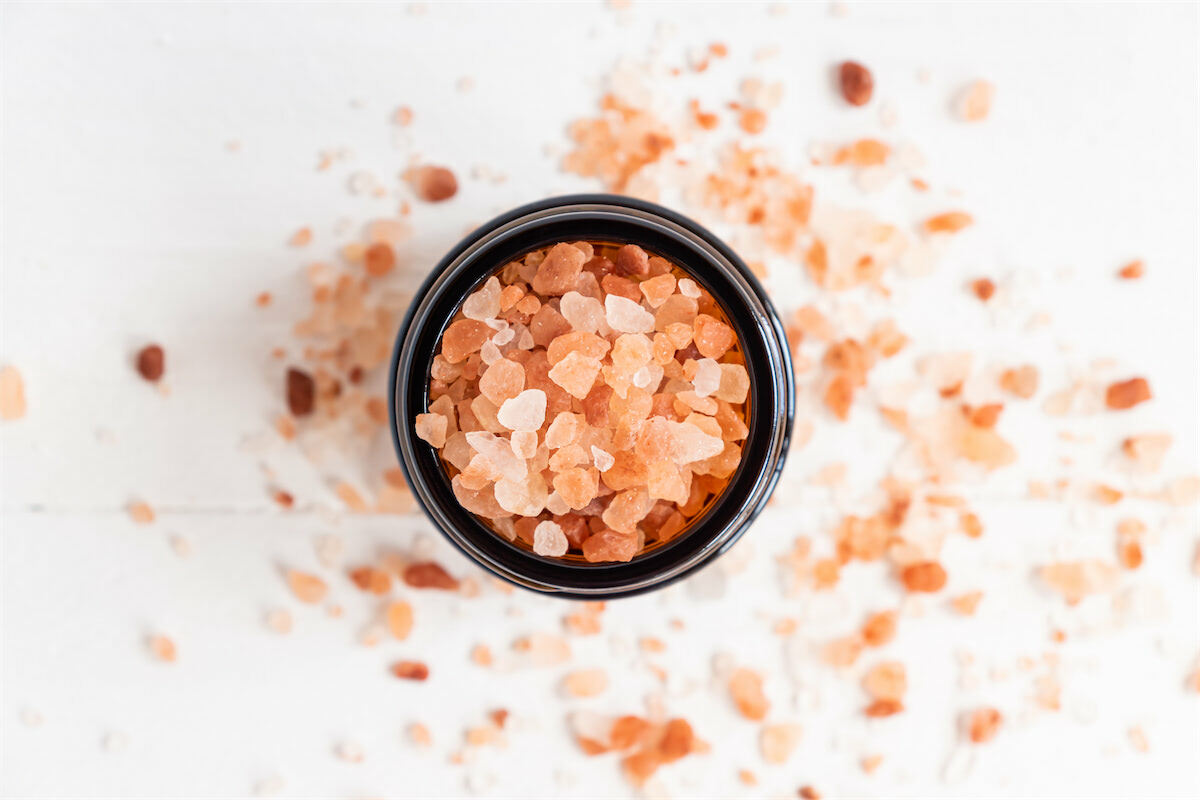
Salt has become more than a commodity ingredient
For most of food history, salt was treated primarily as a basic seasoning and preservation ingredient. Today manufacturers, chefs and consumers also pay attention to origin, crystal shape, color, texture and culinary story.
These differences can matter sensorially and technologically, but premium positioning should not be confused with major nutritional superiority: most edible salts are still composed predominantly of sodium chloride.
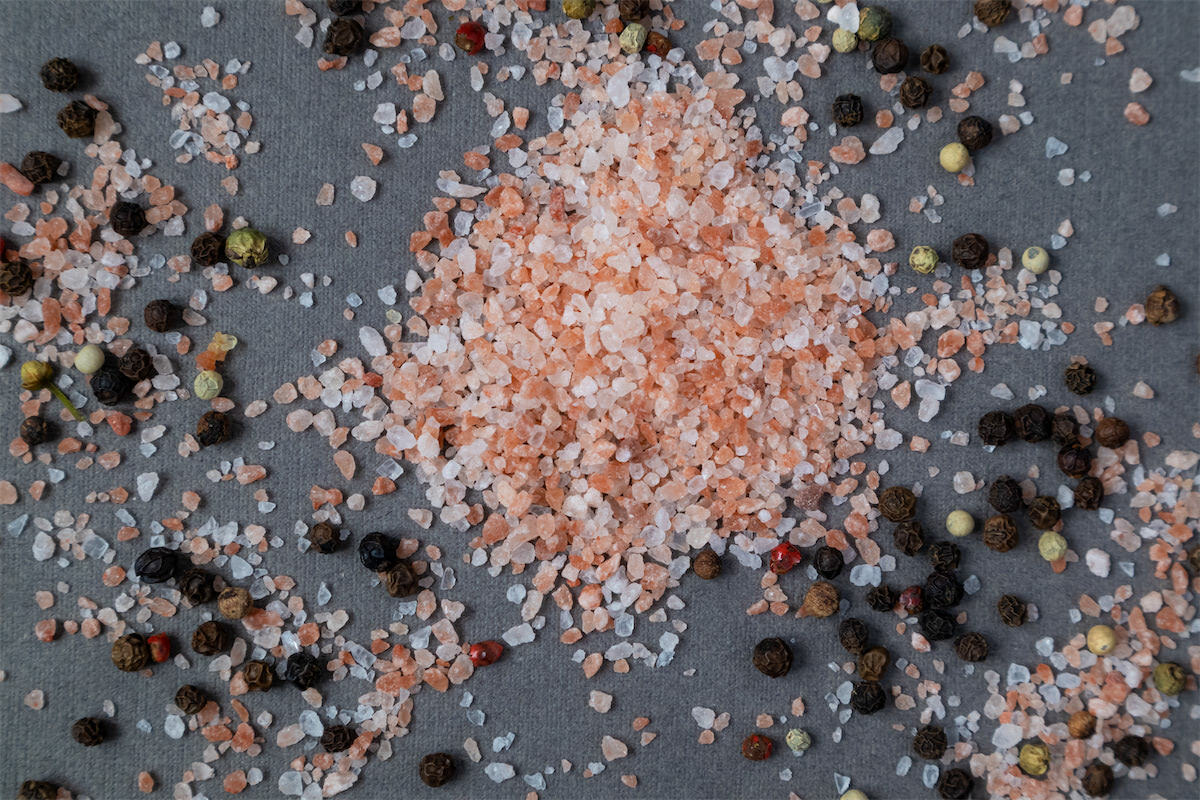
Main categories of salt
The market includes refined food-grade salt, minimally refined sea and rock salts, specialty finishing salts, flavored salts and reduced-sodium or fortified salt systems.
Food-grade salt
Conventional food-grade salt is highly purified sodium chloride with controlled levels of mineral impurities and, depending on the grade, anticaking agents or fortification such as iodine.
Natural sea and rock salts
Less-refined salts retain varying amounts of minerals and other naturally occurring components associated with their source and production method. Examples marketed internationally include Himalayan pink salt, black salts, Hawaiian-style salts, fleur de sel and other regional sea salts.
Trace minerals can affect color and, in some cases, subtle sensory character, but the strongest perceptible differences often come from crystal geometry and dissolution behavior.
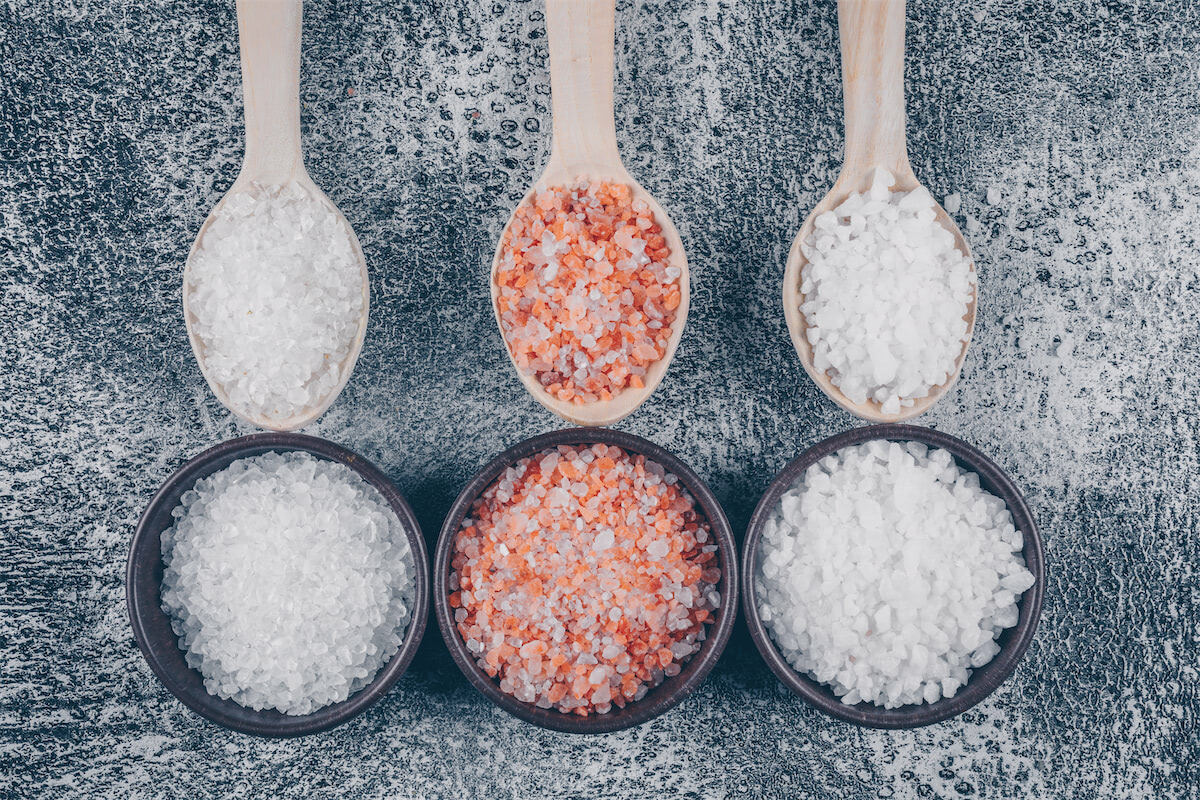
Sea salt
Sea salt is produced by evaporating seawater, traditionally in ponds using sun and wind or through industrial evaporation. Depending on refining, it may retain trace amounts of magnesium, calcium, potassium and other minerals.
Source, processing and crystal structure can produce distinctive appearance and handling properties. Nutritionally, however, these trace minerals are generally present in quantities too small to make salt a meaningful mineral source.
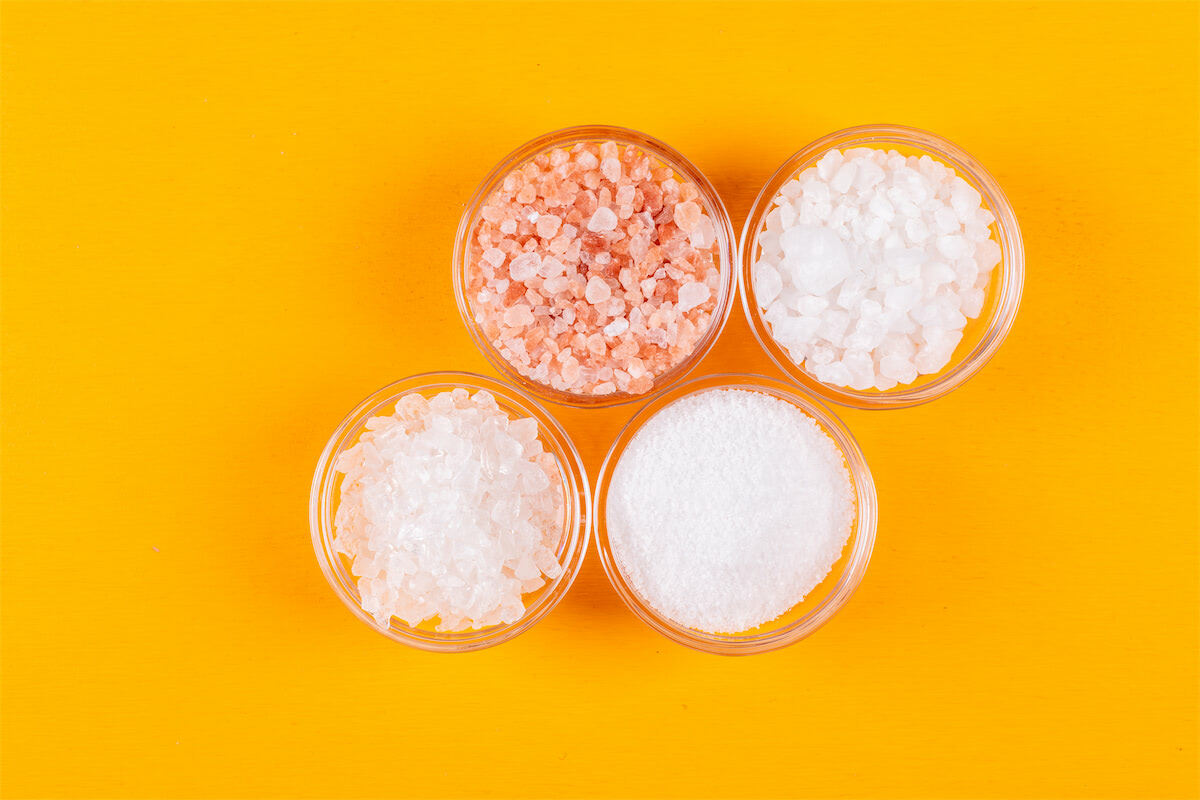
Crystal size and shape change perception
Salt crystals can form flakes, cubes, pyramids, fine grains or larger agglomerates. Crystal geometry affects bulk density, how easily salt can be dosed, how quickly it dissolves on the tongue and how intensely saltiness is perceived during eating.
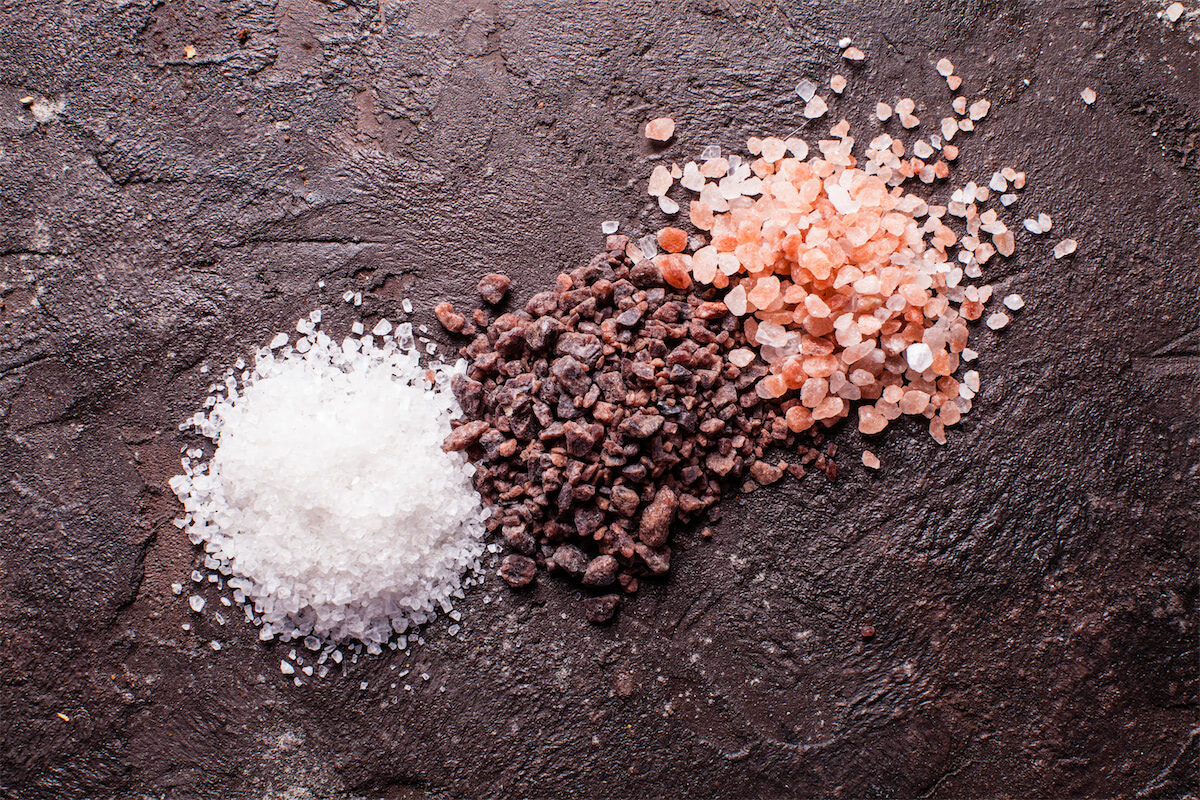
Thin flakes dissolve quickly and create an immediate burst of saltiness, which makes them useful as finishing salts. Larger dense crystals dissolve more slowly and are often preferred for controlled seasoning, brining or processing.
For industrial products, particle-size distribution is especially important because it affects adhesion to snacks, segregation in dry blends and the efficiency with which sodium produces perceived saltiness.

Can different salts taste different?
In dry tasting, mineral composition, moisture and crystal structure can create perceptible differences. Once fully dissolved into a food matrix, some of those distinctions become much smaller. This is why the value of a premium salt depends heavily on how and where it is used.

Flavored and specialty salts
Specialty salts can be smoked, roasted or blended with herbs, spices, vegetables, flowers, sugar or other culinary ingredients. Examples range from traditional black salts to rosemary or tomato blends and maple-sugar salts.
Religious or certification requirements may also define specialty products such as kosher-style or certified salt grades; the exact meaning depends on the applicable certification scheme.
Reduced-sodium and fortified salt systems
Salt is also used as a carrier for nutrients such as iodine. For sodium-reduction projects, part of the sodium chloride can be replaced with potassium salts or other mineral salts, but bitterness and metallic notes may need to be managed through particle engineering and flavor modulation.
How WM applies salt technology
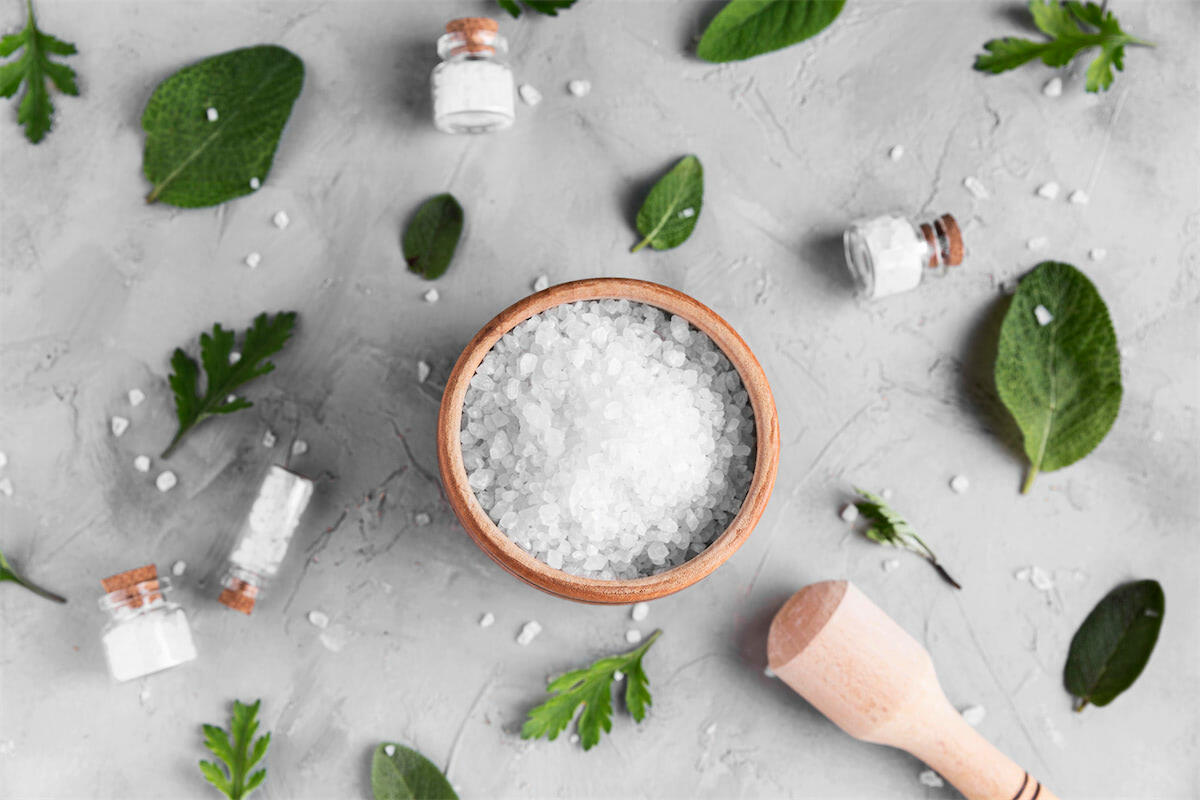
WM develops savory flavor systems and snack seasonings in which salt particle size, mineral composition and flavor design are optimized together. Reduced-sodium systems can combine alternative mineral salts with aroma and taste modulation to preserve impact while lowering sodium.
Reference resources: WHO — Guideline: Sodium Intake for Adults and Children; Codex Alimentarius CXS 150-1985 — Standard for Food-Grade Salt.