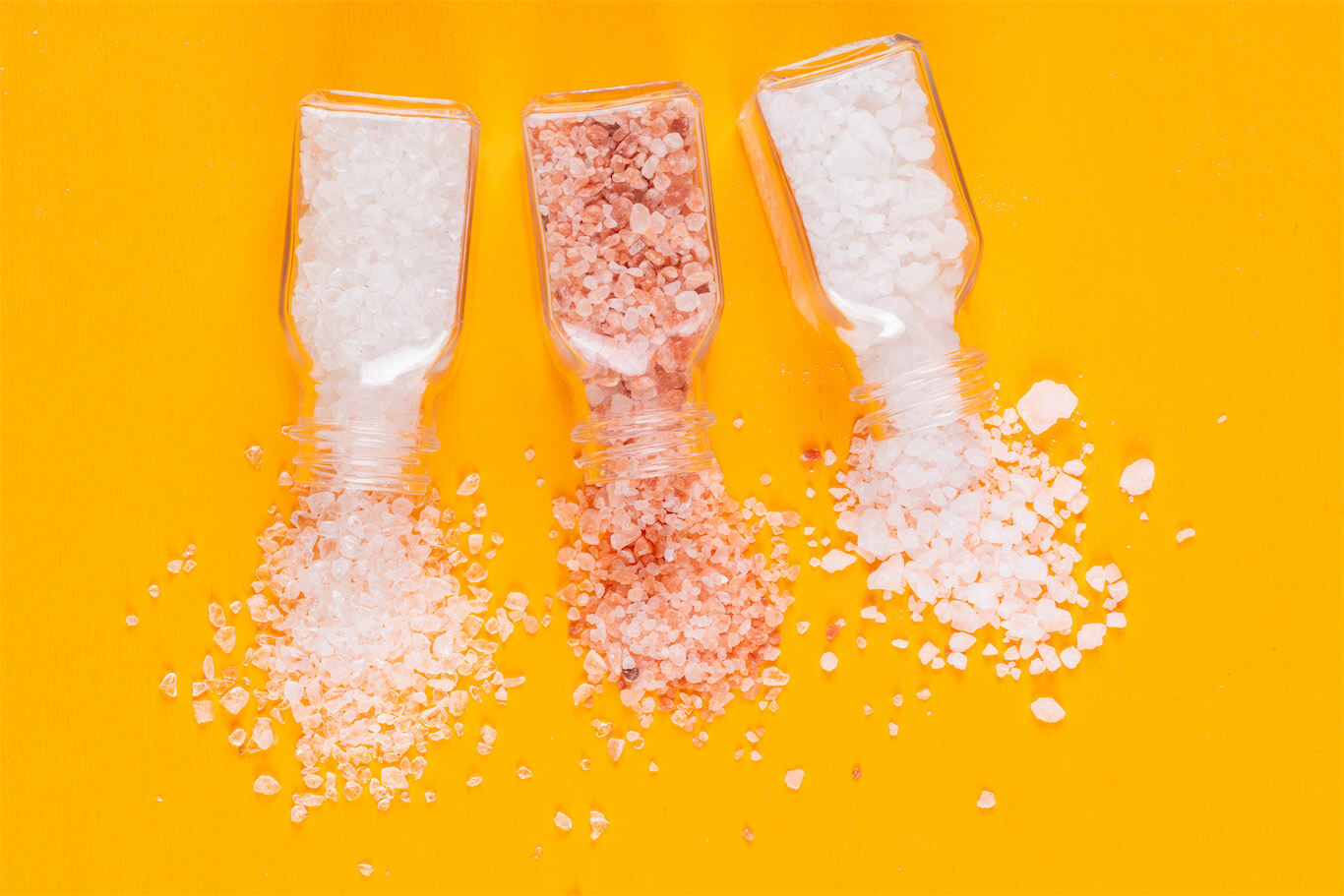
Why reduce sodium?
High sodium intake is associated with elevated blood pressure and increased cardiovascular risk. The World Health Organization recommends that adults consume less than 2 g of sodium per day, equivalent to less than 5 g of salt.
Processed foods, sauces and snacks can contribute significantly to intake, which makes sodium reduction an important product-development target.
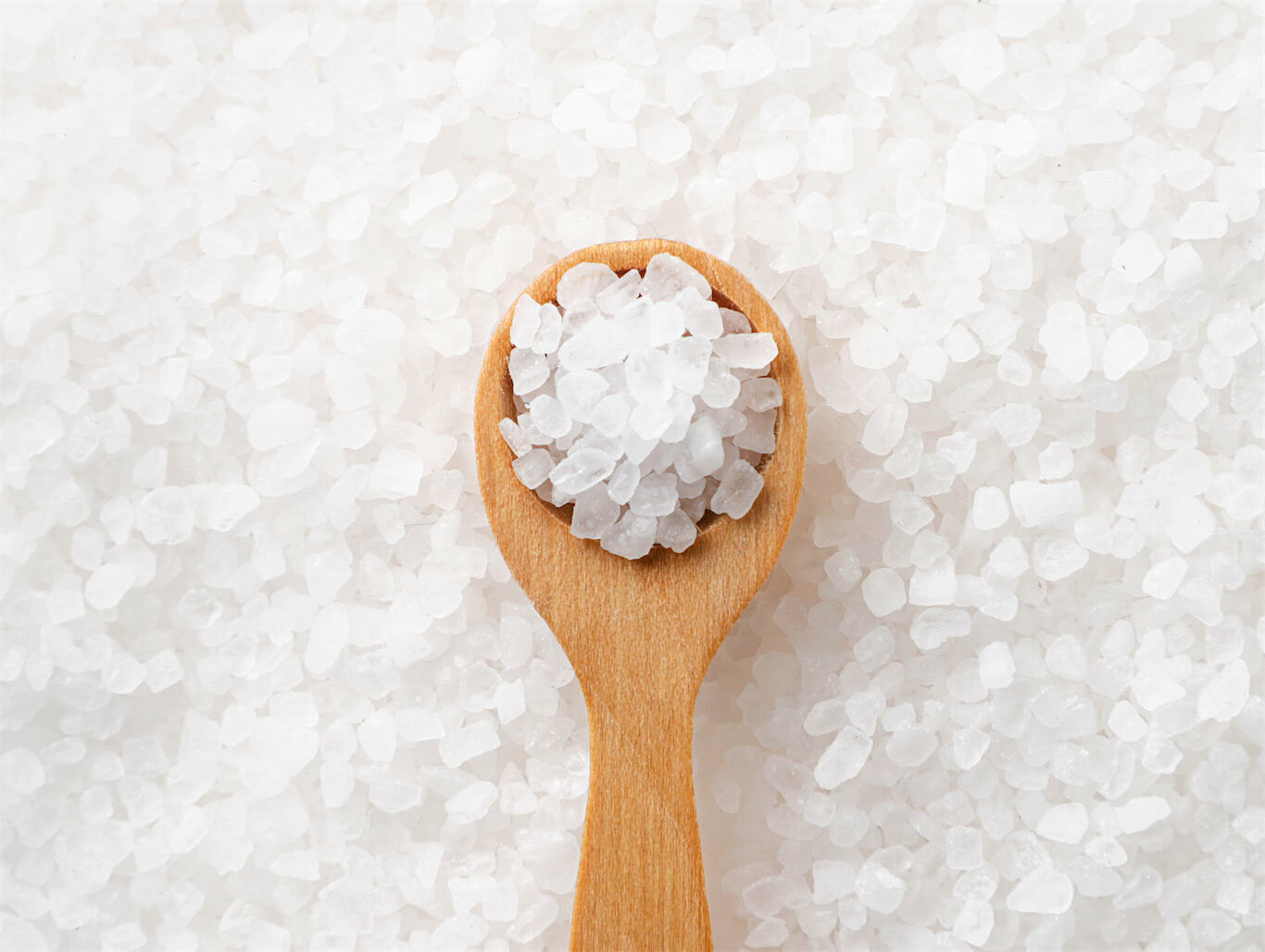
Salt is more than a number on the nutrition panel
Salt provides immediate taste impact, balances bitterness, supports savory character and affects how other flavors are perceived. Simply removing sodium chloride can therefore make a product taste flat or unbalanced.
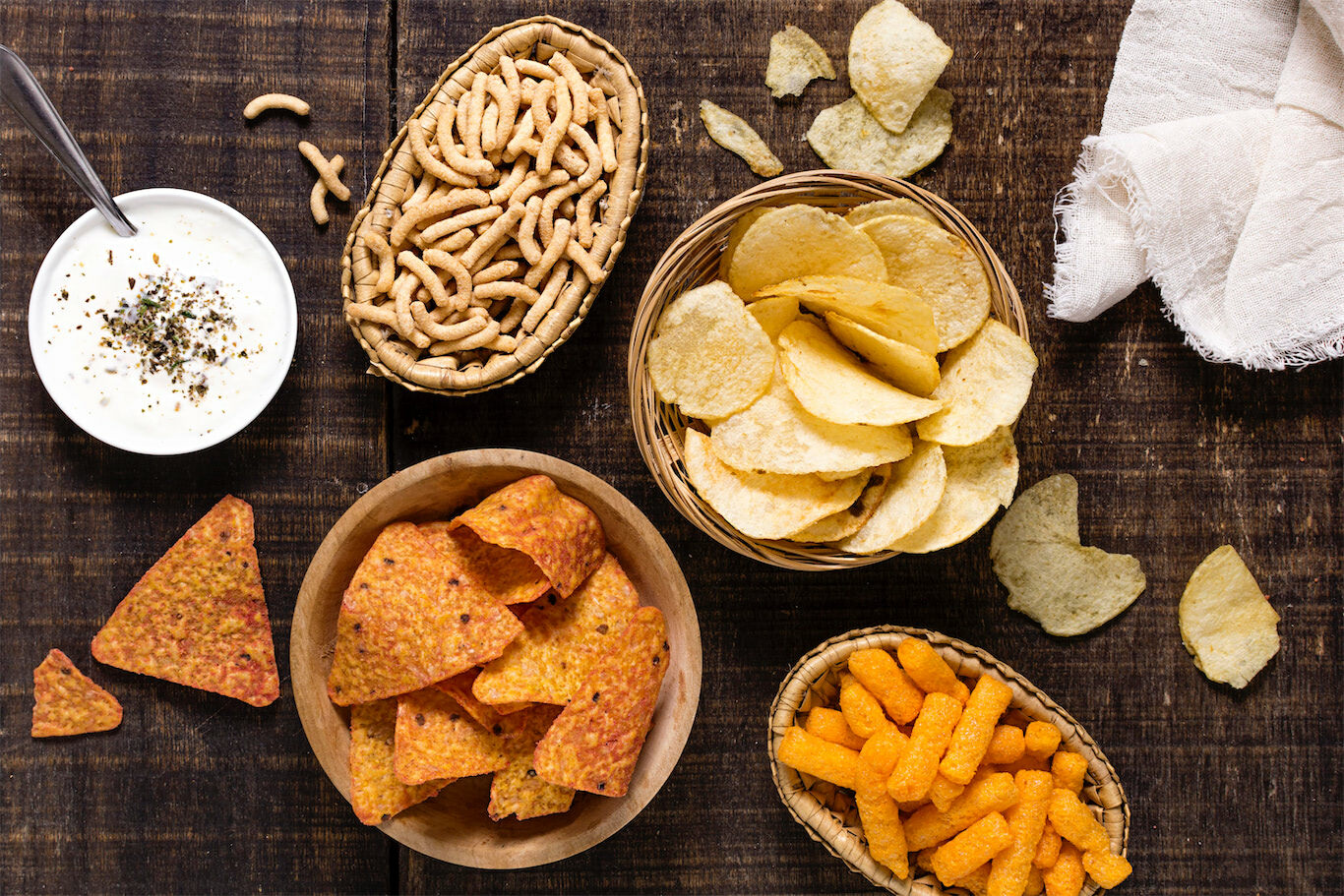
The snack challenge
Chips, crackers, extruded products and nuts rely on surface seasoning, where consumers expect fast, strong flavor delivery. This creates an opportunity: if salt crystals and flavor compounds are engineered to reach the receptors efficiently, perceived saltiness can sometimes be maintained with less sodium.
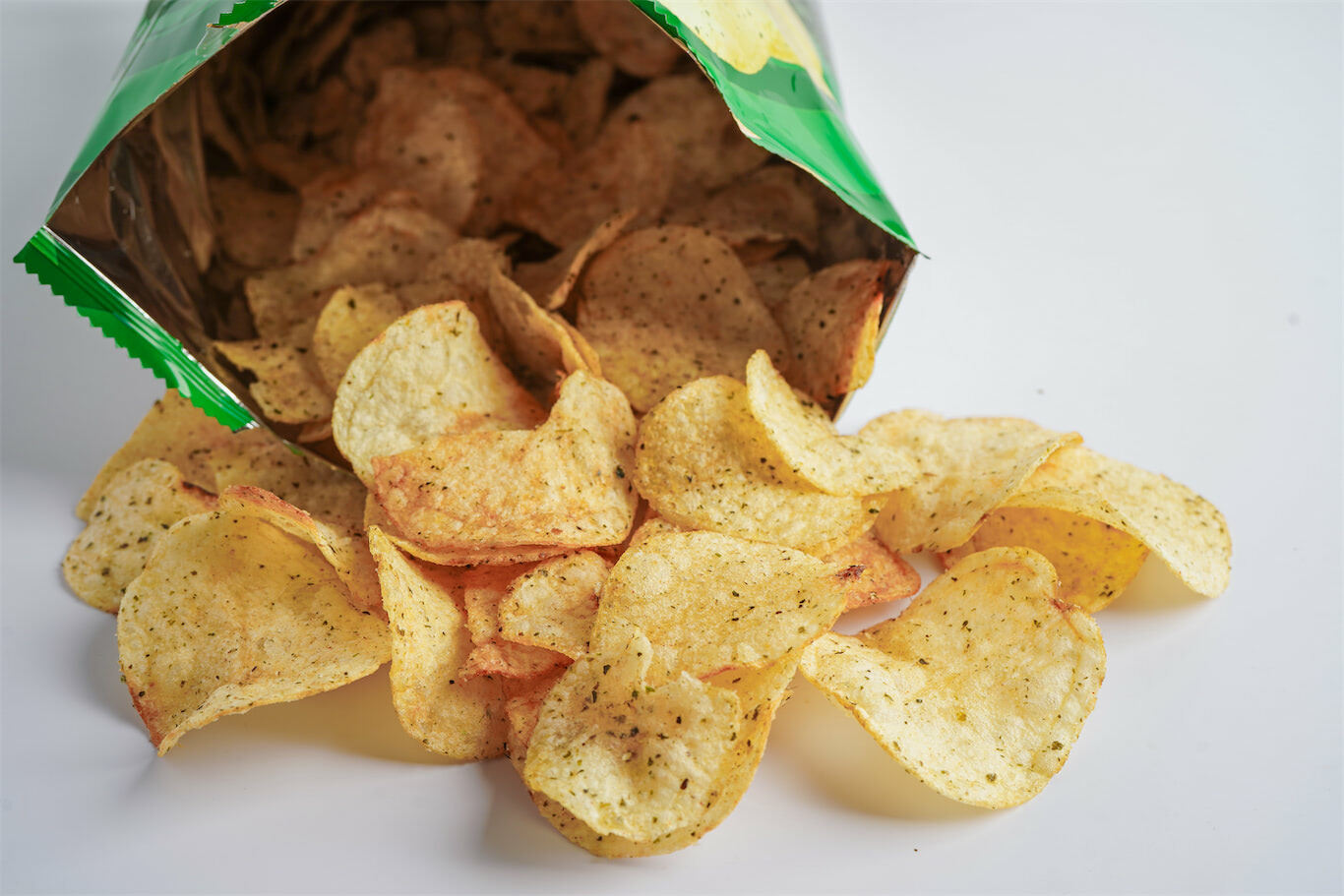
Three approaches to sodium reduction
- Reduced-sodium mineral salts: replace part of sodium chloride with potassium and/or magnesium salts.
- Particle-size optimization: control crystal size and distribution to maximize surface contact and perceived saltiness.
- Flavor modulation: use savory, umami, aromatic and botanical components to compensate for the loss of salt impact and manage mineral off-notes.

WM reduced-sodium seasoning base
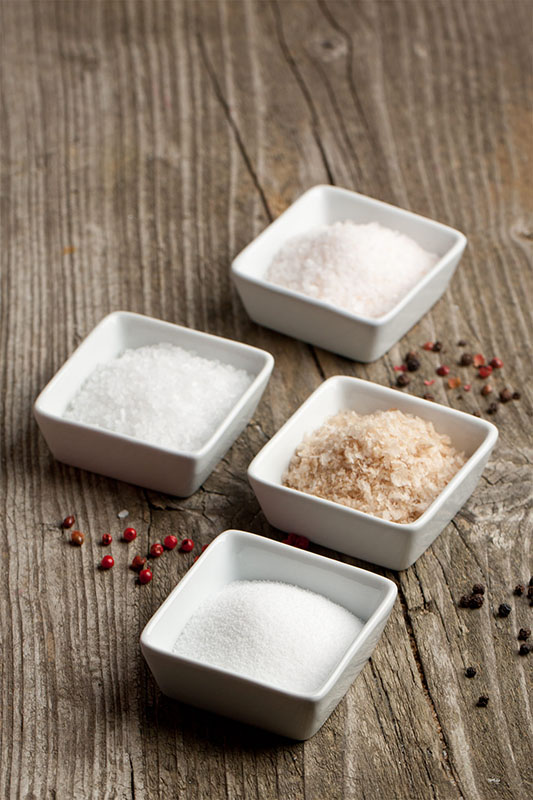
In selected WM systems, part of the sodium chloride is replaced with potassium and magnesium salts. The exact reduction and sensory result depend on the product, application rate and seasoning design.
The target is sensory equivalence, not just sodium reduction
Well-designed reduced-sodium seasonings can lower sodium contribution while preserving a strong savory impression. The result must be validated in the finished snack because base composition, oil level, seasoning adhesion and serving size all affect performance.
Flavor directions
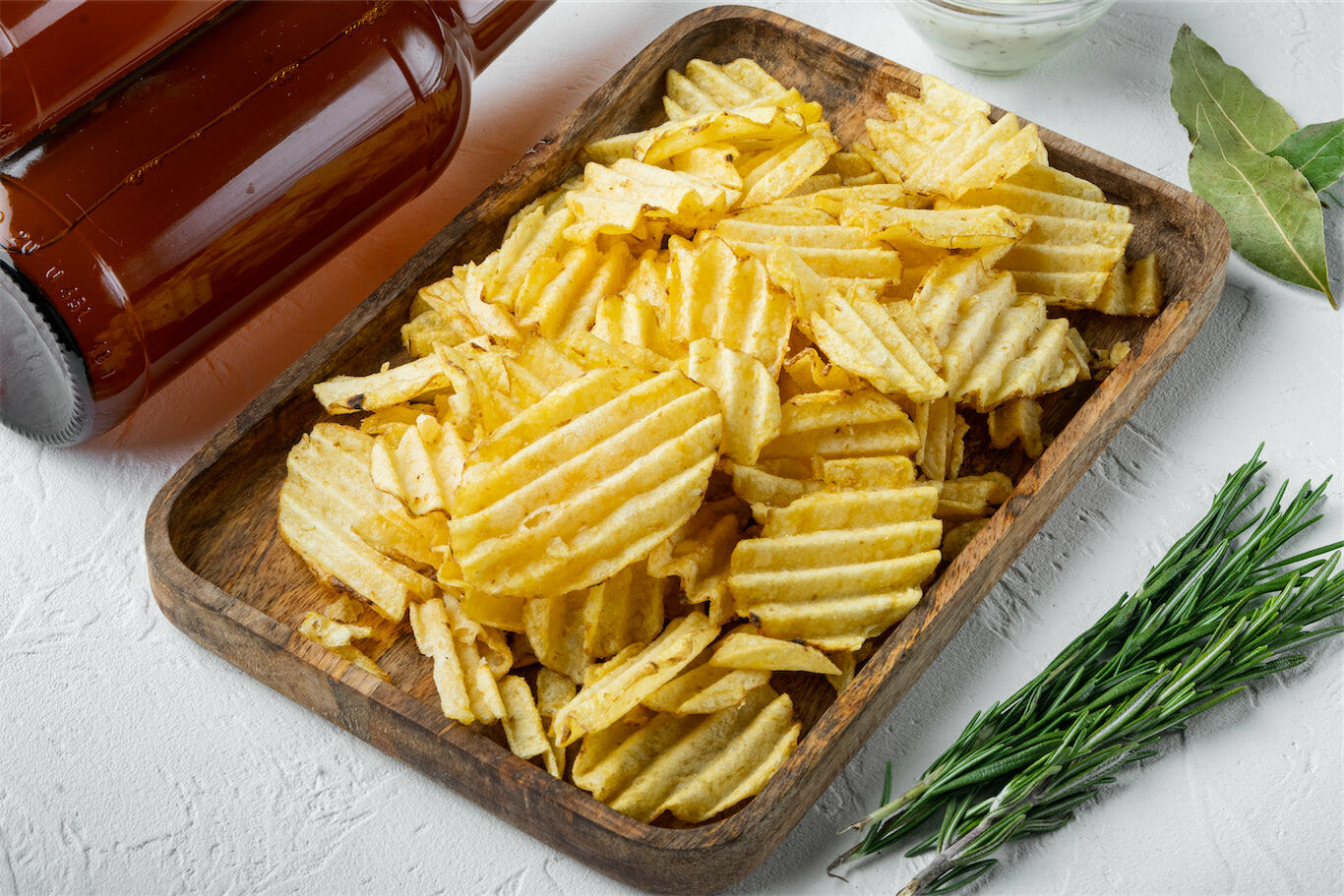
WM has developed reduced-sodium concepts in high-demand snack profiles including bacon, English-style bacon, creamy cheese, mozzarella, Italian-herb cheese, ricotta & black pepper, sour cream & onion, sour cream & herbs, paprika, crab and pizza.
Applications beyond chips
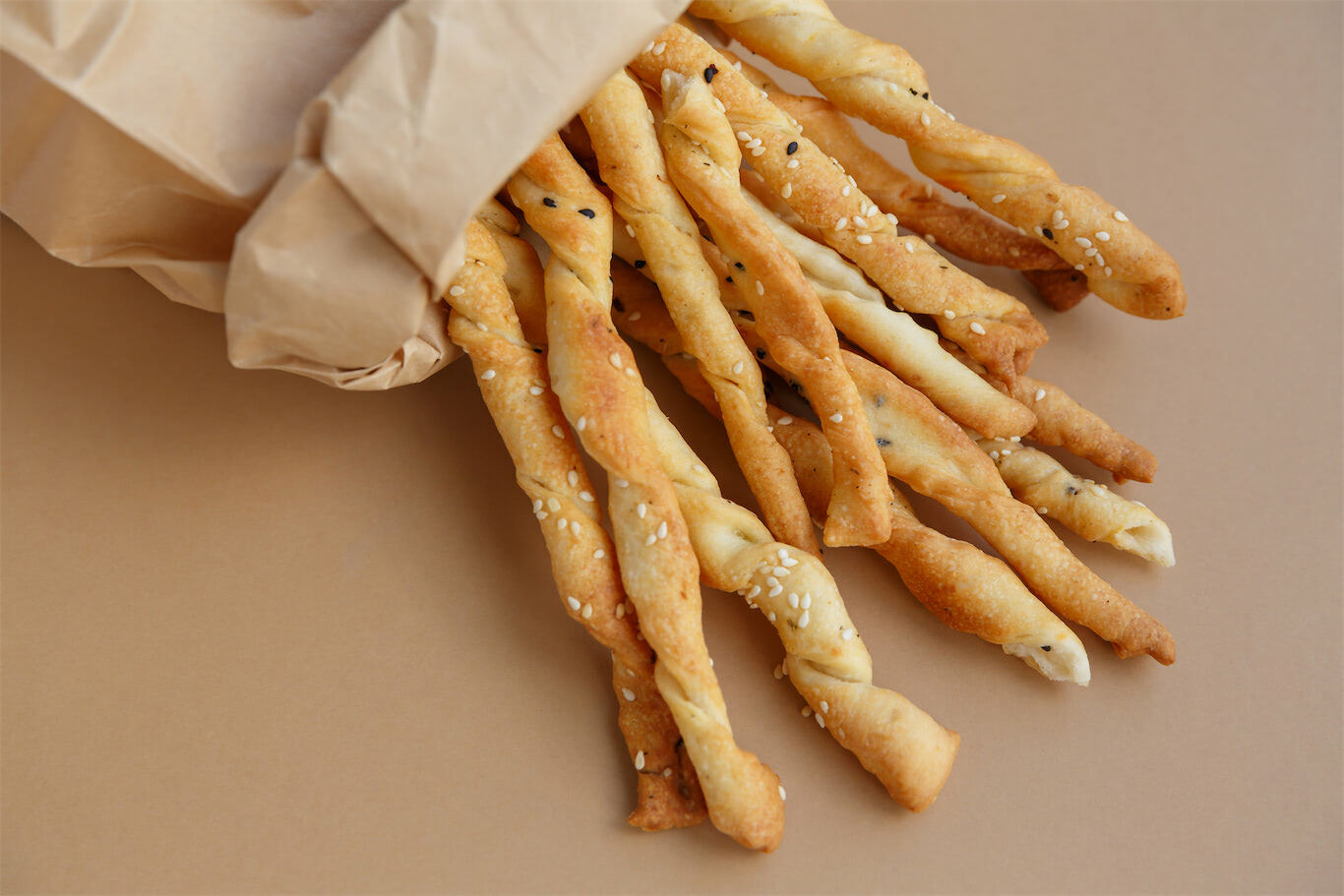
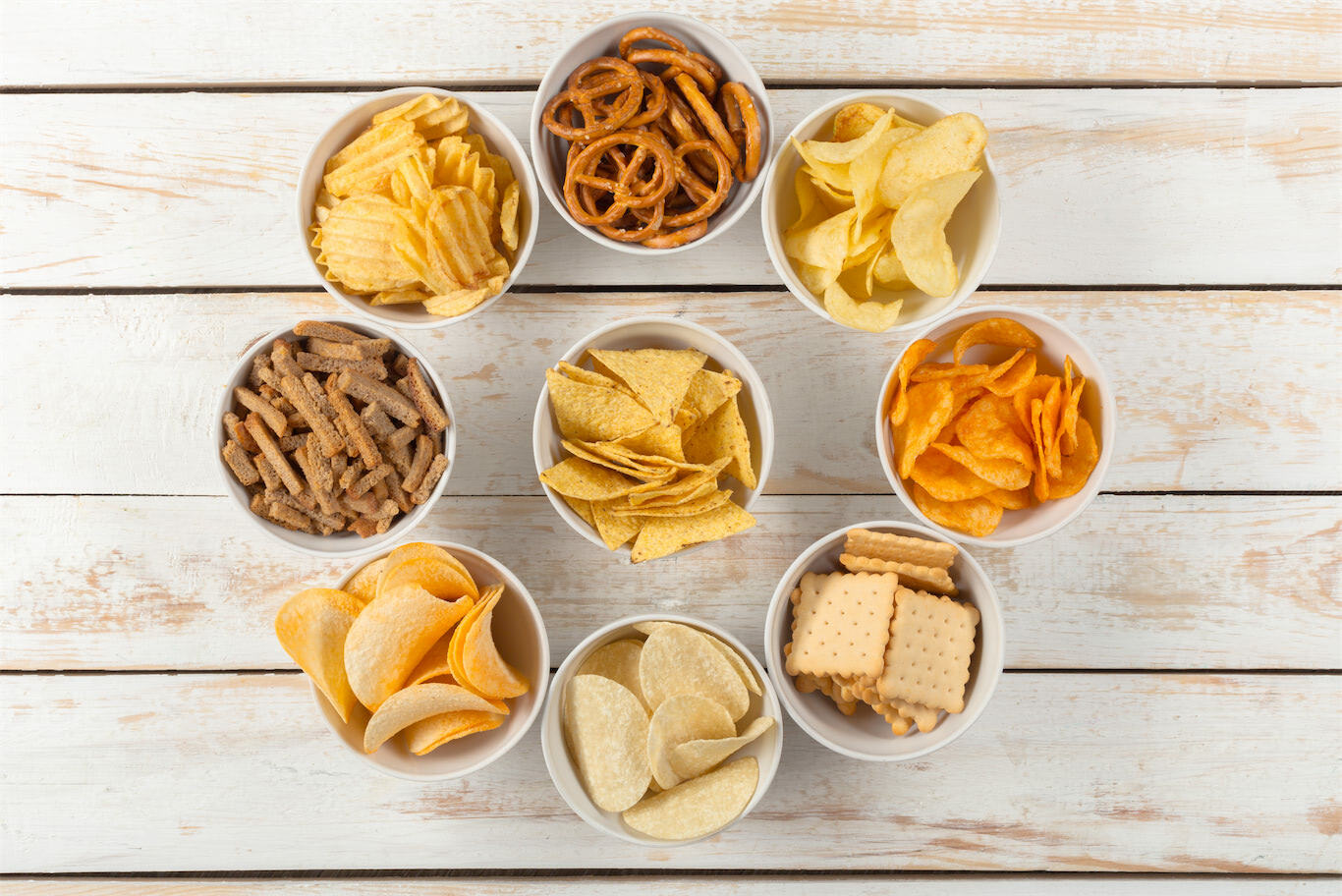
The same approach can be adapted to croutons, extruded snacks, nuts, sauces, processed cheese, savory bakery, mashed-potato products and other foods where salt contributes strongly to flavor architecture.
WM continues to develop sodium-reduction systems that combine mineral salts with natural savory ingredients and flavor technology.