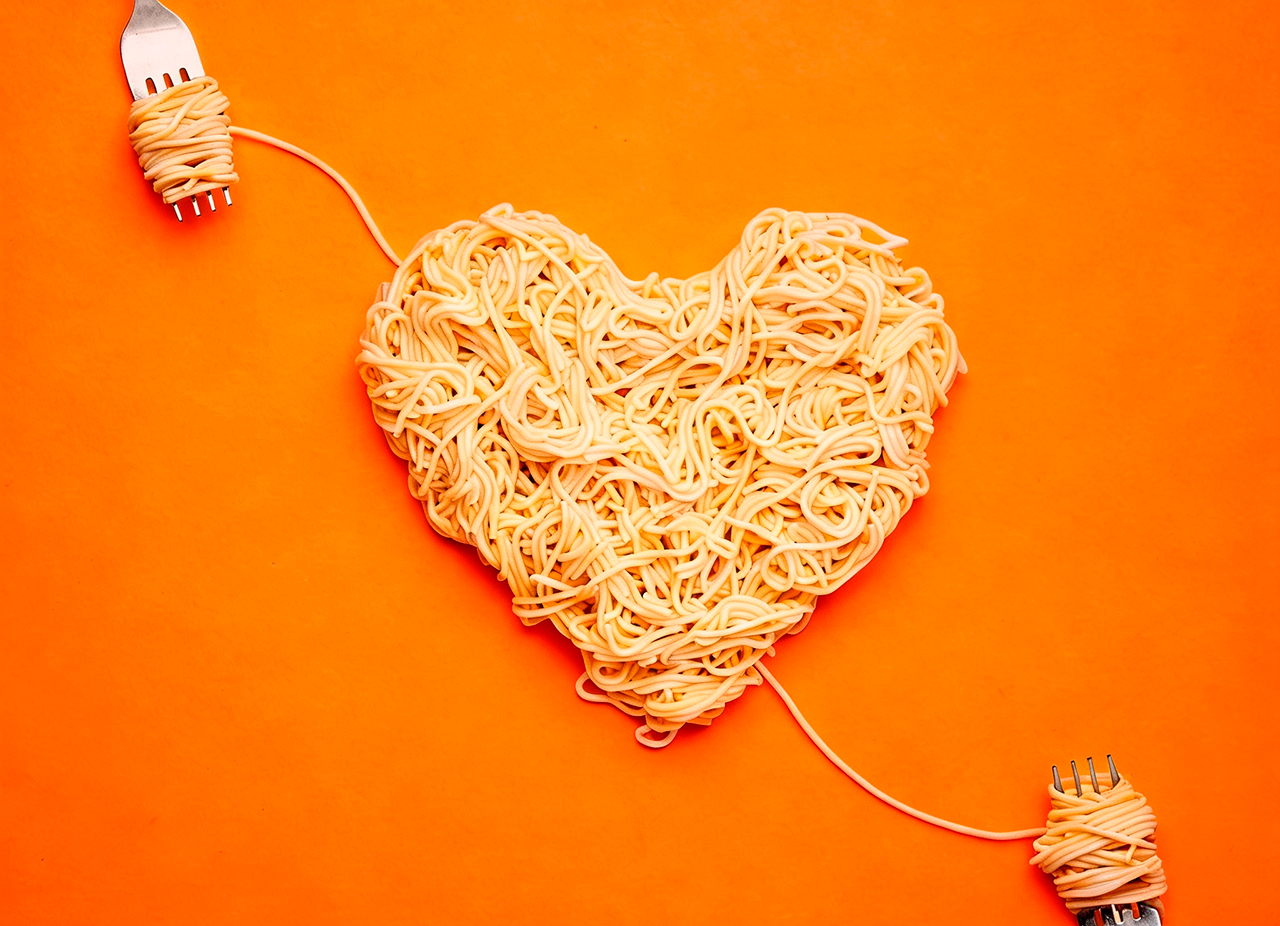
Noodles are one of the world’s great food phenomena.
Across cultures, noodles function as both a culinary staple and a cultural code: their ingredients, shape, broth and seasoning reveal geography, history and local preferences.
The global instant noodle market is a multibillion-dollar industry, and long-term forecasts point to continued expansion. Convenience, affordability and the ability to deliver an enormous variety of flavors keep the category relevant to consumers around the world.
Nutrition and accessibility
Noodles provide carbohydrates and quick satiety while remaining an affordable meal format for a broad consumer audience.
Versatility
Noodles are a true culinary chameleon. They pair easily with meat, fish, vegetables, seafood, sauces and broths, allowing every cuisine to build its own recognizable interpretation.
A wide range of raw materials
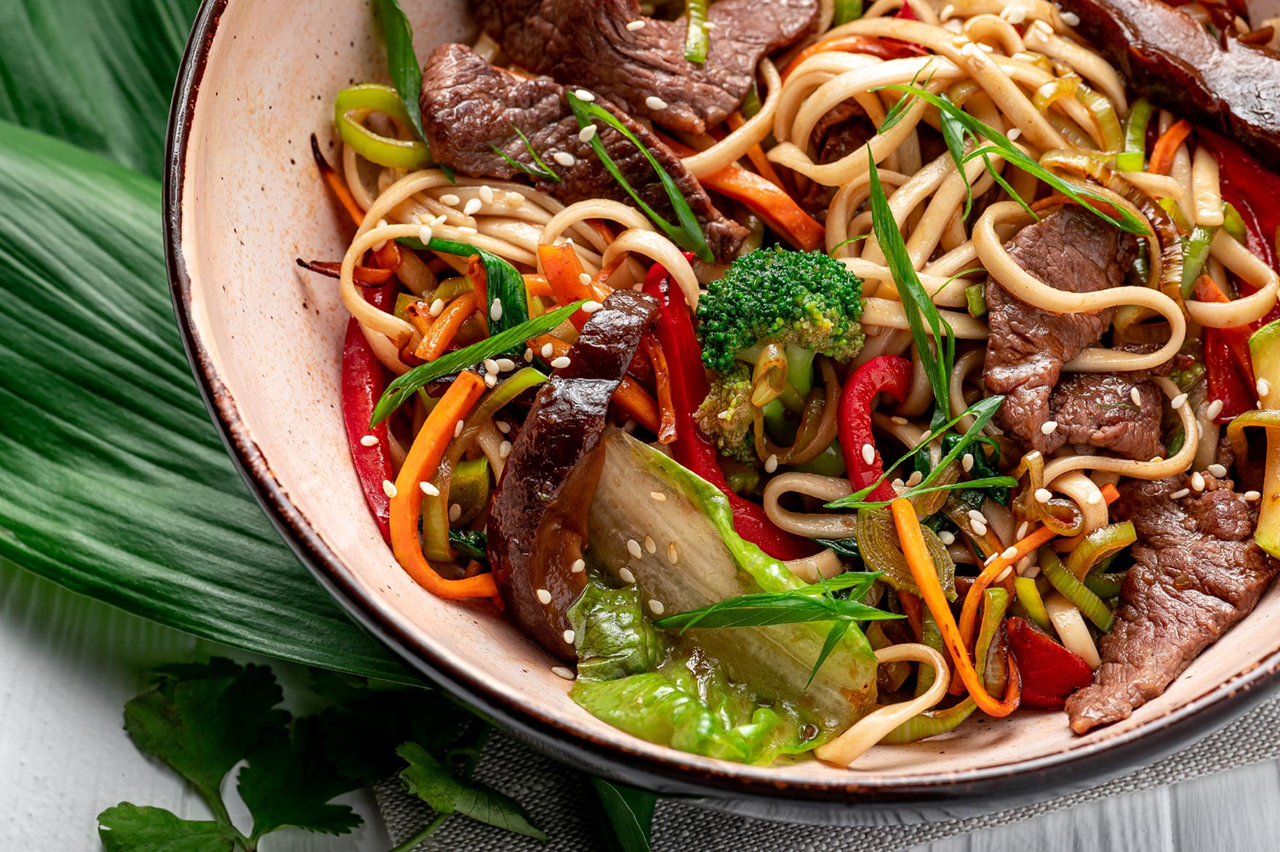
Wheat flour: The classic base for European pasta and for many Asian noodle styles including udon, ramen and lo mein.
Rice: A widely used gluten-free option and the foundation of many Southeast Asian dishes, including Vietnamese pho and Thai pad thai.
Buckwheat flour: Used for Japanese and Korean soba-style noodles, with a characteristic nutty and earthy profile.
Starches: Mung bean, sweet-potato and cassava starches are used for transparent glass noodles such as funchose. Their neutral profile makes them particularly good at absorbing sauces.
Seaweed: A modern niche option valued for its distinctive marine character. Seaweed powders such as wakame can also be added to conventional noodles to create color, aroma and a clear ingredient story.
Modern trends and new flavors
Instant-noodle manufacturers are responding to changing consumer expectations around nutrition, ingredient transparency and more sophisticated taste experiences.
Health-oriented reformulation: reduced salt and fat, whole-grain ingredients, vegetables, vitamins and prebiotics.
Functional ingredients: new technologies are expanding the category beyond traditional wheat noodles, including high-protein concepts.
Processing and sustainability: recyclable packaging and technologies that avoid oil frying — such as hot-air or steam processing — are moving from niche innovation toward mainstream practice.
Functional ingredients: new technologies are expanding the category beyond traditional wheat noodles, including high-protein concepts.
Processing and sustainability: recyclable packaging and technologies that avoid oil frying — such as hot-air or steam processing — are moving from niche innovation toward mainstream practice.
The many dimensions of noodle flavor
Flavorings play a central role in turning a simple noodle block into a complete meal. They help manufacturers maintain a recognizable, intense taste and aroma throughout shelf life and after thermal processing.
In Russia, chicken, beef and mushroom remain among the most familiar profiles. At the same time, the market is moving toward more complex recipes with liquid sauces and multiple seasoning sachets that recreate the experience of a restaurant-style soup or noodle dish.
Exotic and regional flavors are giving the category new momentum. One of the strongest directions is inspiration from national cuisines, particularly East and Southeast Asia.
WM offers a flavor collection designed to help manufacturers create differentiated noodle concepts:
- Chinese-Style Beef MMK008854
- Braised Beef with Omelet MMK007418
- Tom Kha Chicken MMK007920
- Shrimp in Sriracha Sauce MMK008791
- Latiao MMK008864
- Lagman MMK008372
- Beshbarmak MMK008371
- Chicken Fricassee with Black Truffle MMK008799
- Scallops in Creamy Spicy Sauce MMK008772