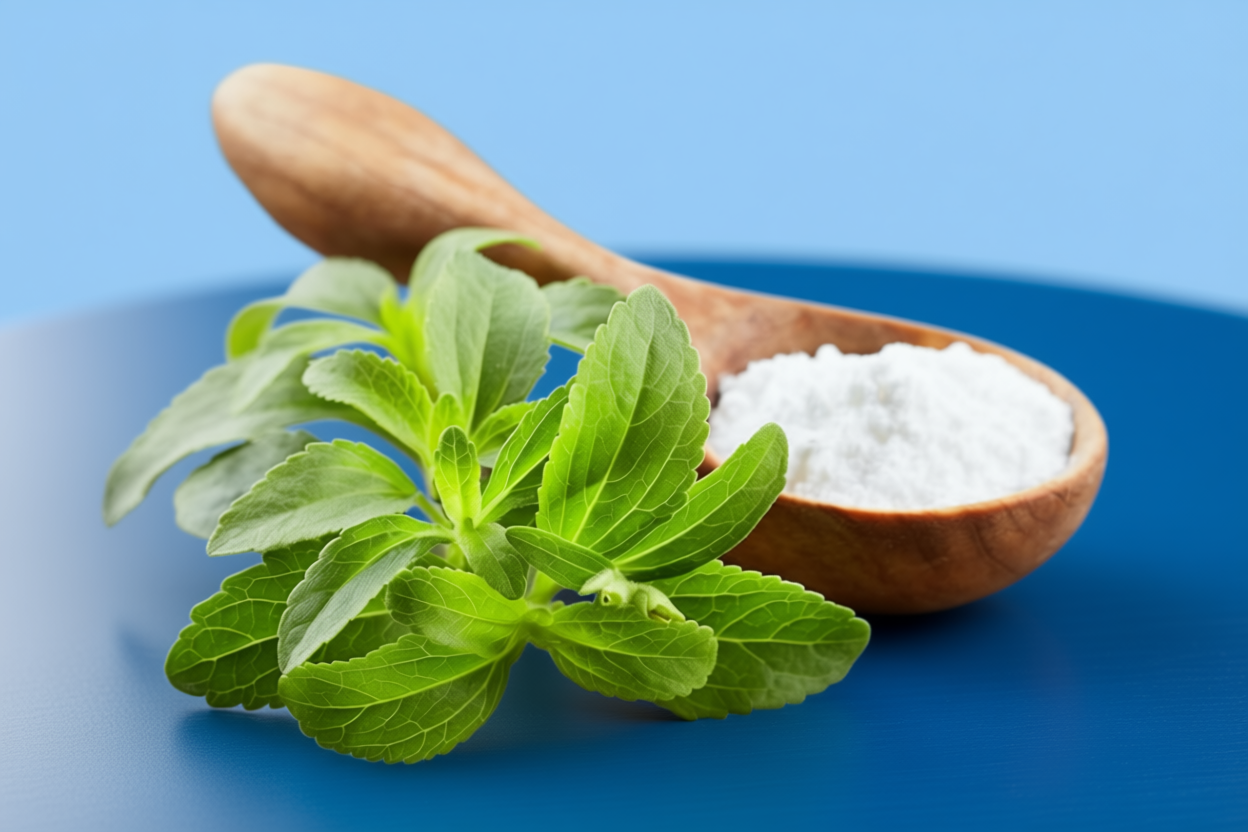
What are high-intensity sweeteners?
High-intensity sweeteners are non-sugar substances that deliver much greater sweetness than sucrose and are therefore used at comparatively low dosage. Depending on their relative sweetness, they can be described as intense, high-intensity or ultra-high-intensity sweeteners.
Typical examples include cyclamates, aspartame, acesulfame K, saccharin, sucralose, steviol glycosides, neohesperidin dihydrochalcone, neotame and thaumatin.
How are they produced?
Production routes differ substantially:
- chemical synthesis — for example, acesulfame K, saccharin, aspartame and neotame;
- chemical modification of naturally derived raw materials — used for some sweeteners such as sucralose and neohesperidin dihydrochalcone;
- extraction and purification of plant-derived materials — for example, steviol glycosides and thaumatin;
- enzymatic and microbiological processes — an active area of development for next-generation sweetening ingredients.
Commercial form matters
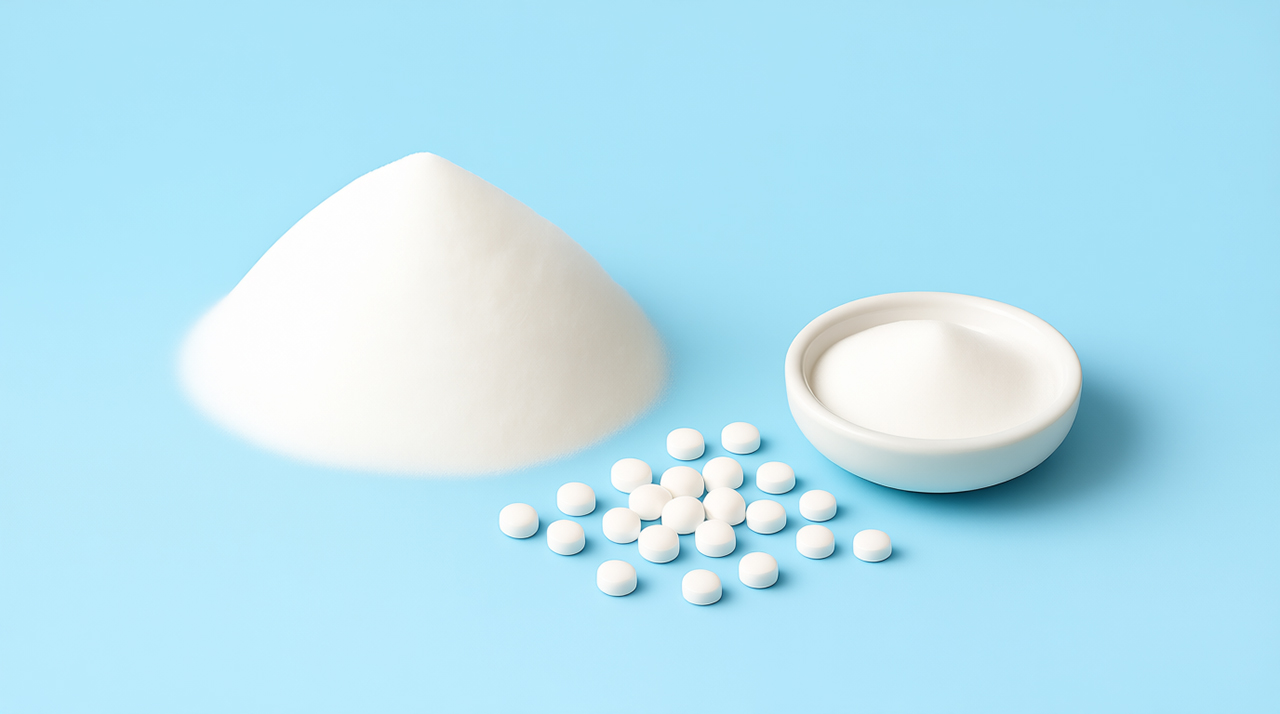
The same sweetener may be supplied as fine powder, crystals, granules, agglomerates, encapsulated systems or preblends. Particle size, morphology and carrier system affect flowability, dissolution, dusting, dosing accuracy and compression behavior.
For very high-potency ingredients, the commercial form can be as important as the molecule itself because reliable low-dose distribution is a manufacturing challenge.
Where are high-intensity sweeteners used?
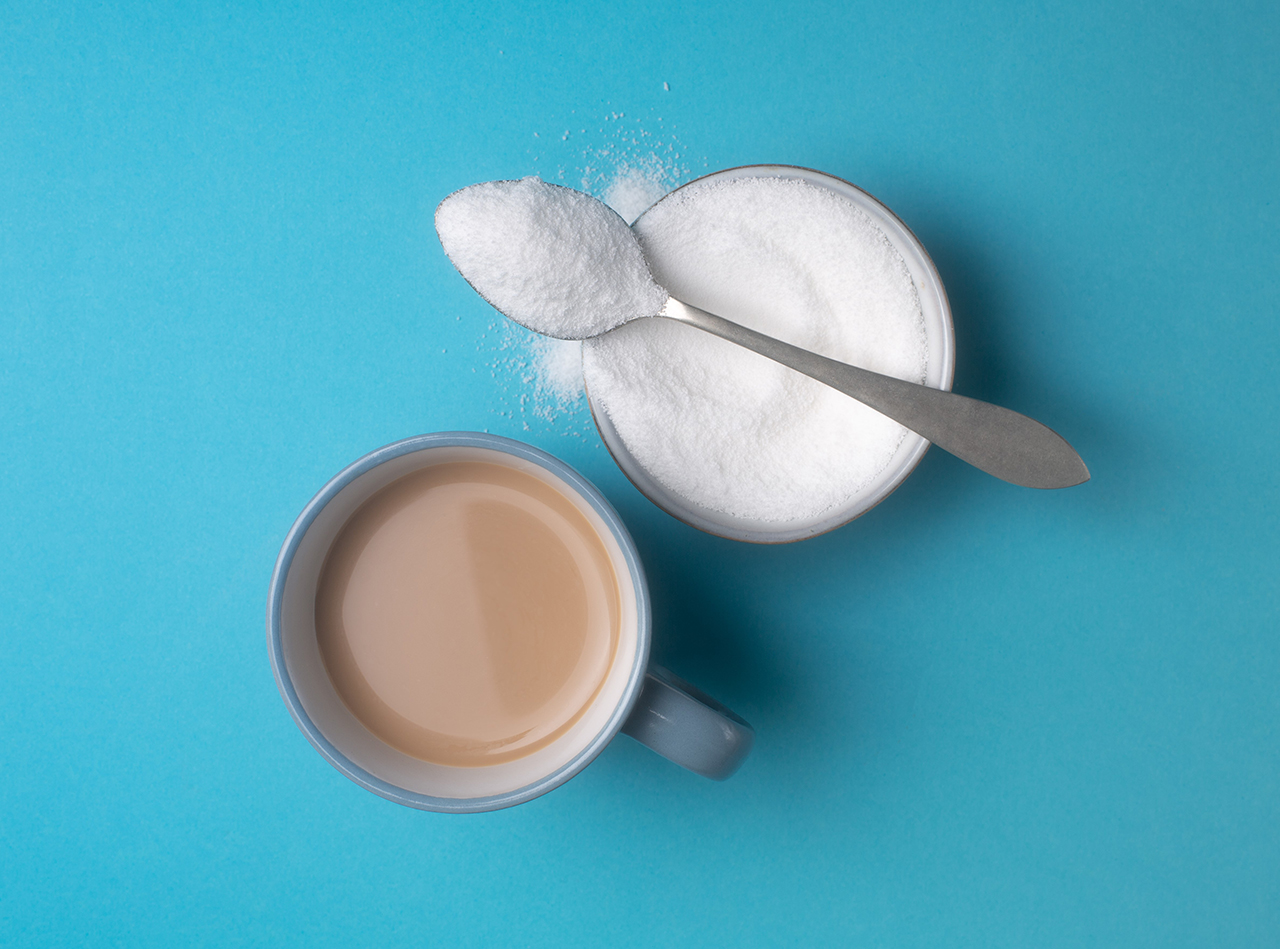
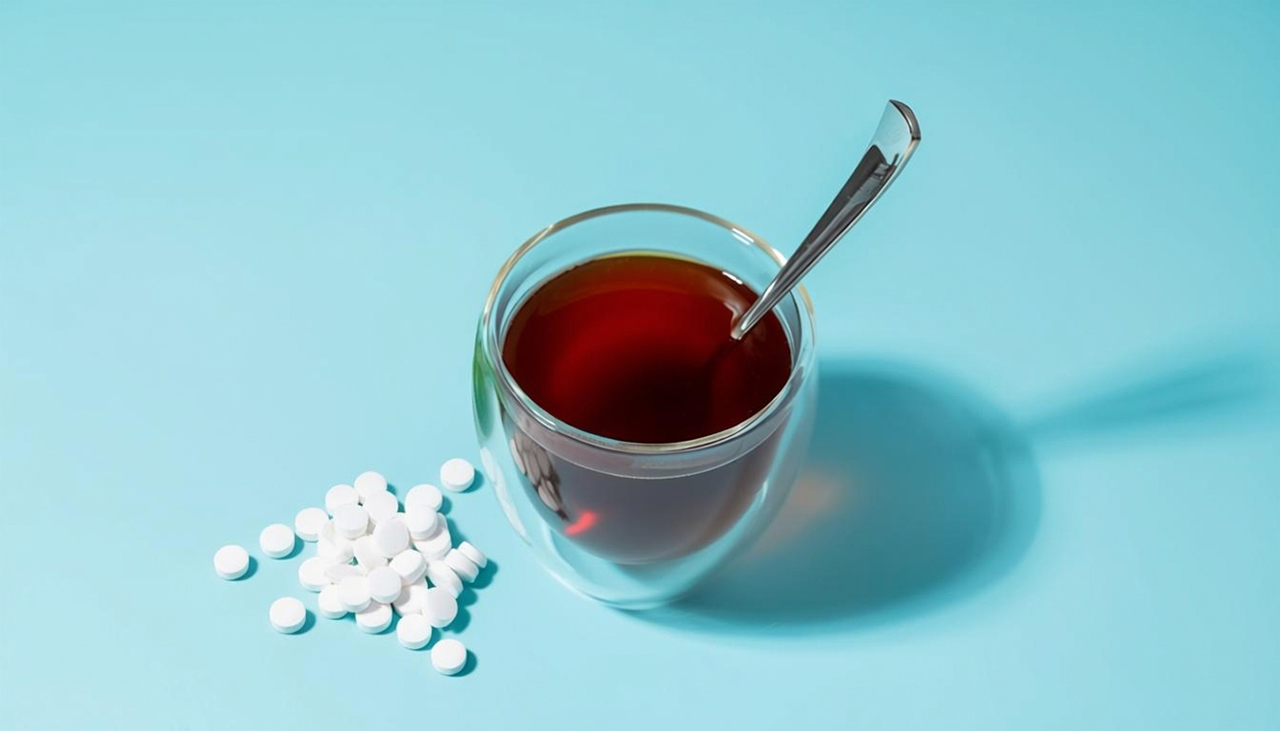
They are especially common in water-based applications such as soft drinks, energy drinks and sauces, but they are also used in dairy, confectionery, bakery, snacks and other foods.
Unlike sugar, high-intensity sweeteners generally do not provide bulk, solids, browning, crystallization behavior or the same mouthfeel. In applications where these functions matter, formulators may need bulking agents, polyols, fibers or other texture-building ingredients.
More than sweetness
Some high-intensity sweeteners can modify flavor perception in addition to providing sweetness. These interactions may be useful in fruit, mint, vanilla or other profiles, but they are matrix-dependent and should be validated sensorially.
Labeling and safety
Permitted sweeteners, maximum use levels, mandatory statements and acceptable daily intake values depend on jurisdiction and product category. For example, products containing aspartame may require a phenylalanine statement under applicable regulations.
Manufacturers should work from the current rules for the target market rather than relying on a generic “natural” or “synthetic” classification.
WM sweetening solutions
WM develops sweetening systems around the finished product: target sweetness, temporal profile, aftertaste, process stability, solids, flavor interactions, cost and regulatory requirements. This approach makes sugar reduction a complete formulation task rather than a one-for-one ingredient replacement.
Reference resources: EAEU TR CU 021/2011; EAEU TR CU 029/2012; EFSA — Sweeteners; Codex Alimentarius — General Standard for Food Additives (GSFA).