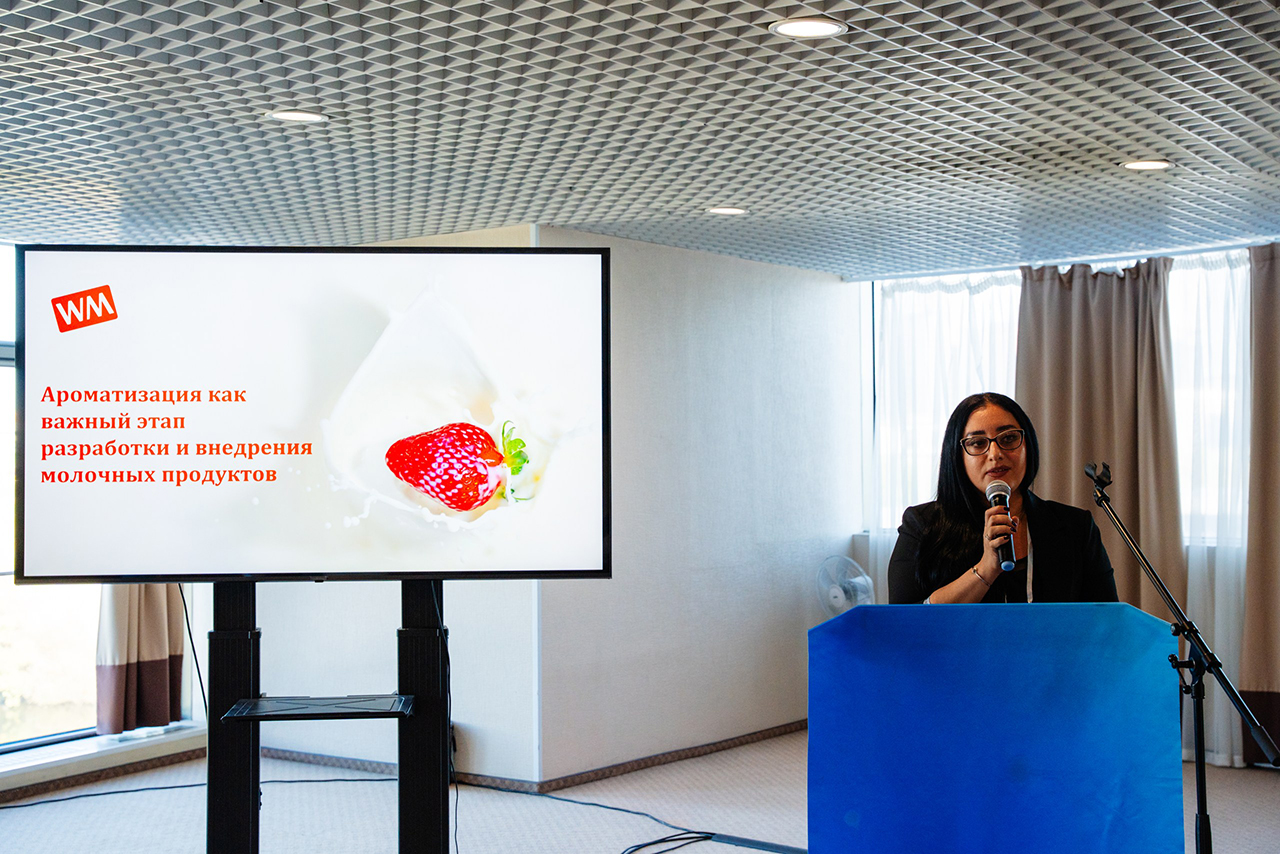
Flavoring dairy products: a science of matrix, process and perception
In a competitive food market, taste remains one of the strongest drivers of choice. According to IFIC’s 2020 Food & Health Survey, taste is a major purchase consideration for consumers. Creating a balanced and repeatable flavor profile is therefore not simply a creative task — it requires sensory science, formulation expertise and process understanding.
From consumer insight to industrial production
A structured dairy-development process usually includes:
- market and consumer-preference analysis;
- definition of product characteristics and regulatory requirements;
- formula development and sensory validation;
- technological adaptation and industrial trials.
Modern analytical methods such as gas chromatography–mass spectrometry (GC-MS) and solid-phase microextraction (SPME) can support the identification and analysis of volatile compounds in complex dairy matrices.

Why dairy matrices are challenging
Proteins can bind aroma compounds and change their release. Fats retain lipophilic flavor molecules and strongly influence aroma persistence and mouthfeel. Simple sugars can affect the partitioning of hydrophilic volatiles between the liquid and headspace. Hydrocolloids may also bind or retain aromatic compounds.
As a result, the same flavoring can perform differently in yogurt, milk drinks, high-protein desserts, cream products and ice cream.
Where flavorings are added
In compound dairy products, flavor can be added directly to the dairy base or through fruit and other preparations. In ice cream, flavorings may be added before or after pasteurization, during or after freezing, or through inclusions such as sauces, coatings and fillings.
Key technical requirements
- compatibility with dairy proteins and absence of components that can destabilize the system;
- minimal unwanted effect on foaming and foam stability;
- compatibility with starter cultures;
- thermal stability for pasteurized or sterilized products;
- stability through freezing and hardening;
- performance at the product’s target pH.

Sensory engineering: managing the complete flavor
Product development works on two connected systems: the matrix itself and the complete flavor experience — olfactory, gustatory and trigeminal sensations.
Developers may need to balance sweetness, saltiness, acidity, bitterness, umami and fat perception; suppress undesirable notes; strengthen desirable ones; harmonize aroma; and, where appropriate, introduce trigeminal sensations such as cooling, warming, pungency, astringency or numbing effects.
Flavorings as a strategic product-development tool
Flavor technology can help compensate for aroma losses during pasteurization, sterilization or freezing; standardize sensory quality from batch to batch; extend a product family from one base matrix; support reduced-sugar or reduced-fat concepts; and create distinctive signatures without unnecessarily complicating production.

WM expertise in dairy and confectionery
WM has more than 25 years of experience in food-ingredient development and over 15,000 implemented developments. The portfolio includes liquid, dry and encapsulated flavorings, sweetening systems, colors, extracts and essential oils.
Our Innovation Center develops products for a wide range of briefs, including:
- distinctive flavor and aroma;
- reduced-sugar and sugar-free products;
- reduced-fat and fat-free concepts;
- protein and functional formulations;
- products with botanical extracts and essential oils;
- plant-based and vegetarian concepts;
- products developed with kosher or halal requirements in mind.
Every formulation must be validated against the applicable requirements for the finished product and target market.

Flavor is part of the brand
A recognizable sensory profile turns a first trial into a repeatable experience. Combining flavor technology with consumer insight, analytical methods and industrial validation helps manufacturers create products that remain attractive from laboratory sample to full-scale production.
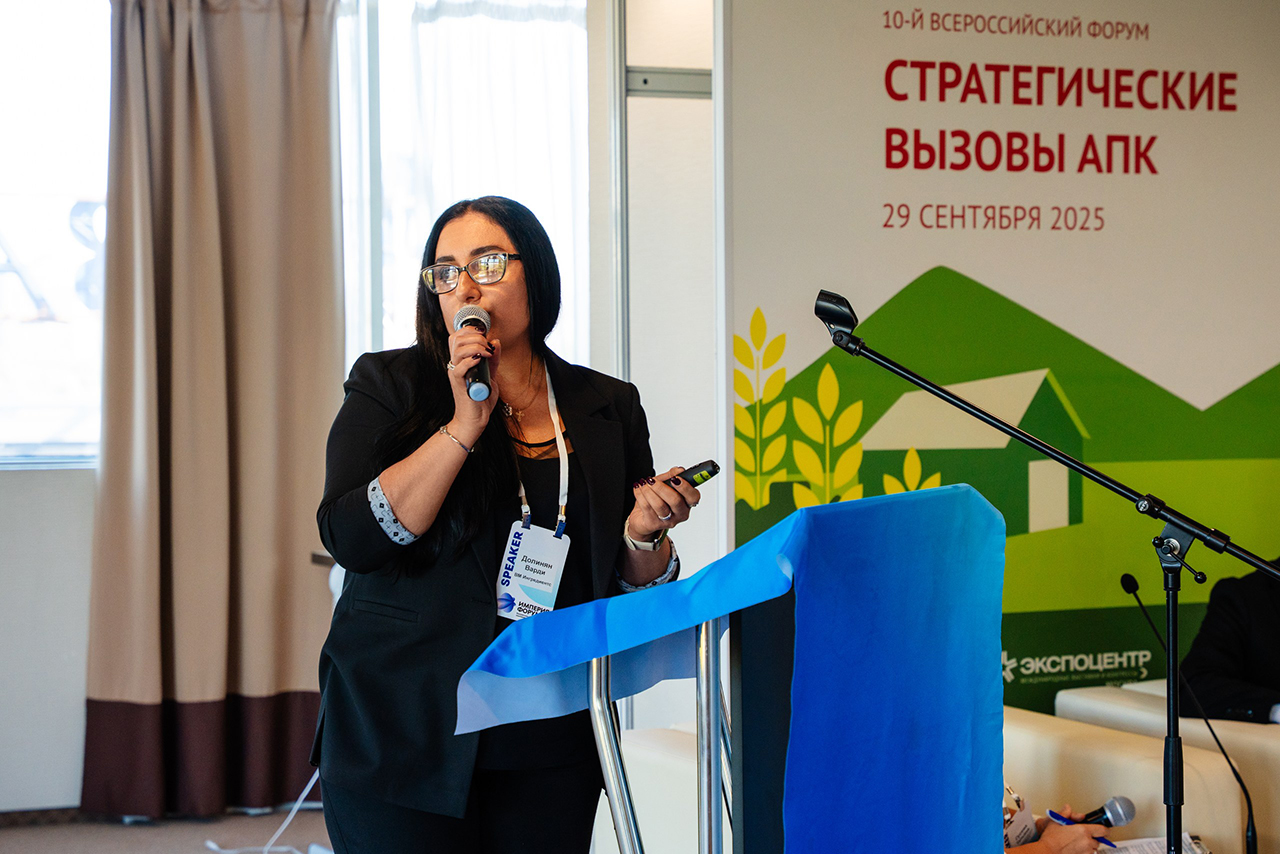
Author: Vardi Dolinyan, Head of Dairy and Confectionery at WM.
Reference resources: IFIC — 2020 Food & Health Survey; Codex Alimentarius CXG 66-2008 — Guidelines for the Use of Flavourings; EFSA — Flavourings; EAEU TR CU 029/2012.