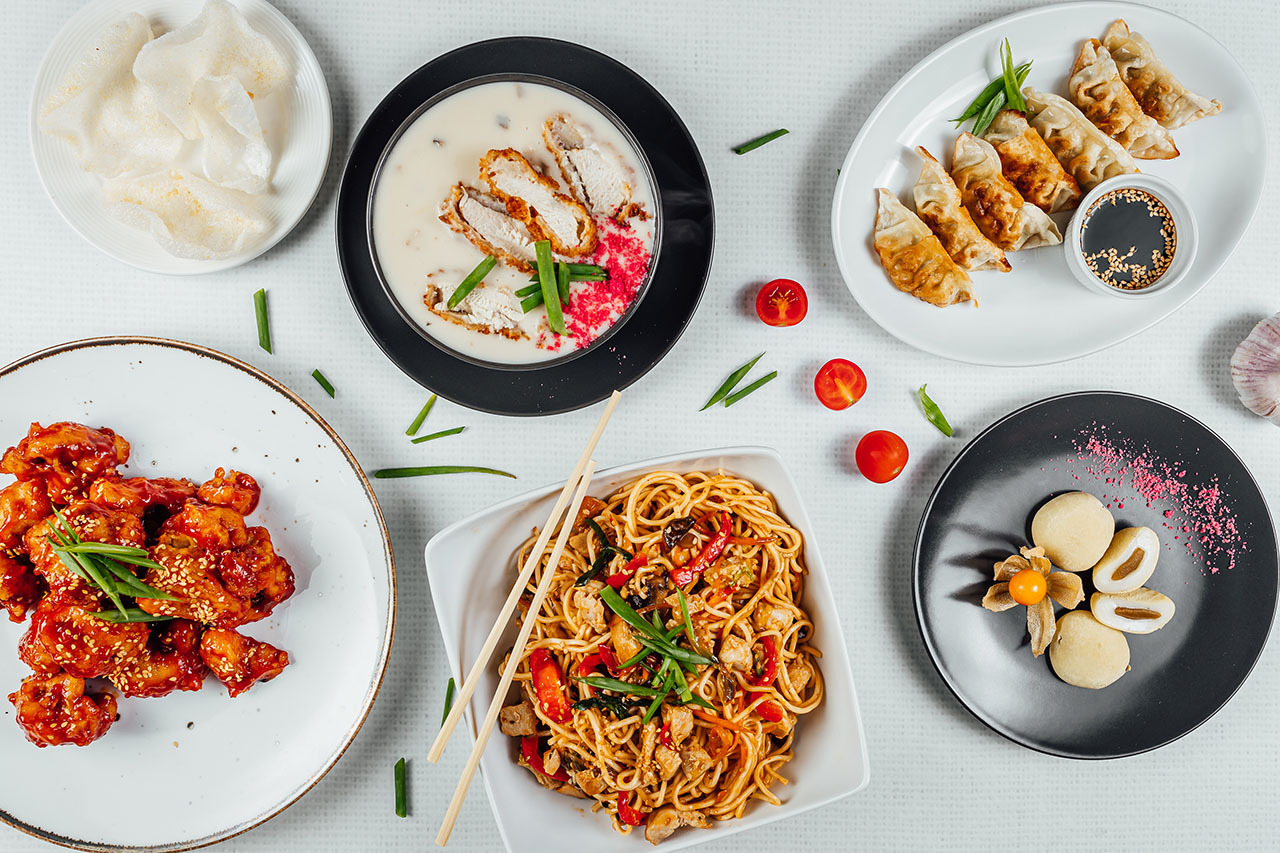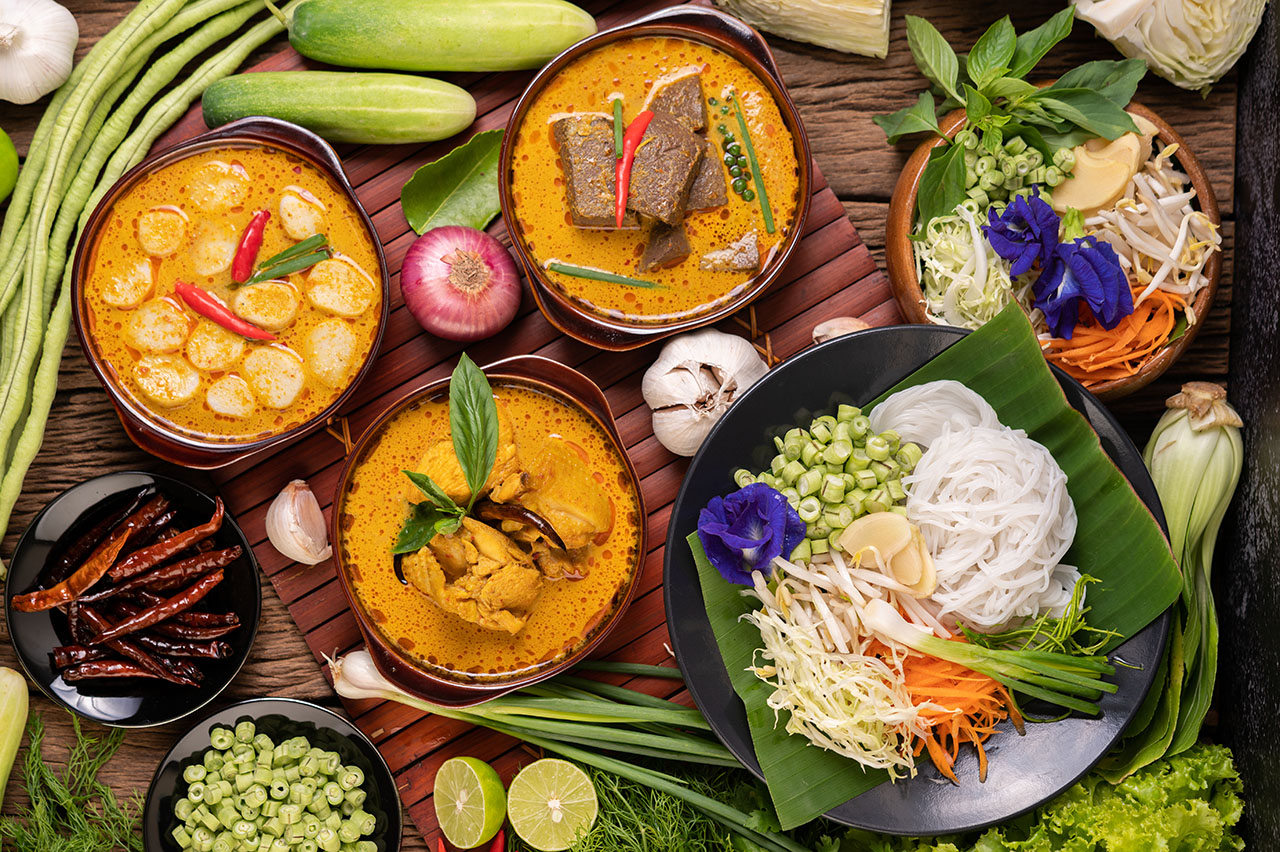
Taste is learned as well as perceived
Food preferences are shaped by biology, but they are also learned through cuisine, geography, religion, household habits, available ingredients and repeated exposure. This matters commercially: a flavor profile that performs well in one market may feel unfamiliar, weak or unbalanced in another.
Localization is therefore not simply translating the product name. It is adapting the sensory language of the product.

Food culture creates different expectations
Markets differ in meal structure, portioning, preferred preparation methods and the role food plays in everyday life. Some categories are built around convenience and portability; others emphasize ritual, craftsmanship, sharing or prolonged dining.
These differences influence what consumers expect from aroma intensity, texture, sweetness, acidity, bitterness and aftertaste.

Culinary tradition matters
French, Italian, Japanese, Russian, German and many other culinary traditions have developed around different raw materials and cooking methods. A successful local product often references familiar combinations rather than importing a foreign profile unchanged.
Geography shapes the ingredient repertoire
Climate and agriculture influence which grains, vegetables, meats, seafood, herbs and fermented foods become everyday staples. Over time, these ingredients create a local “sensory grammar” — combinations that feel intuitive to consumers because they have encountered them repeatedly.

For example, Eastern European cuisines make extensive use of soups, grains, fermented vegetables and baked dough products.
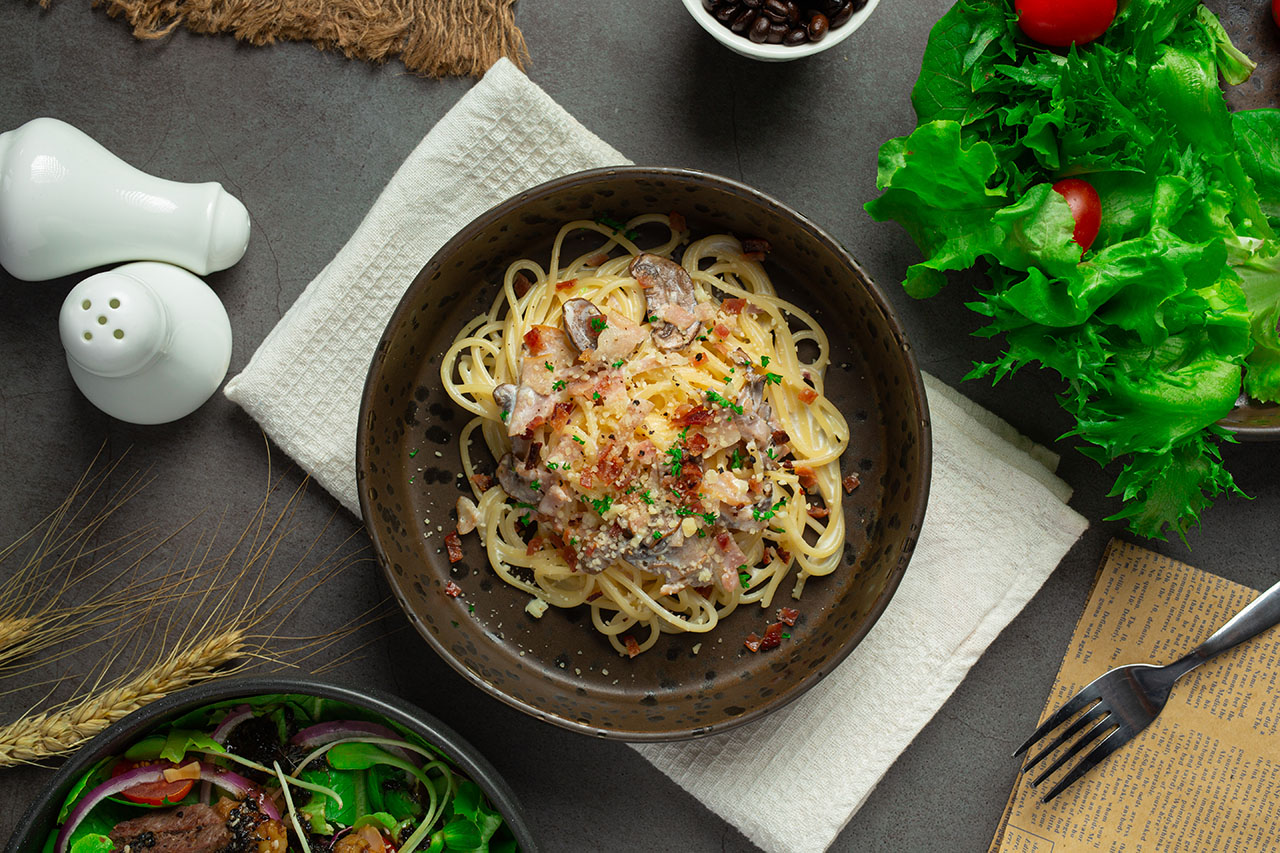
Italian cuisine often builds flavor around tomatoes, olive oil, cheese, herbs, pasta and controlled bitterness from vegetables and botanicals.
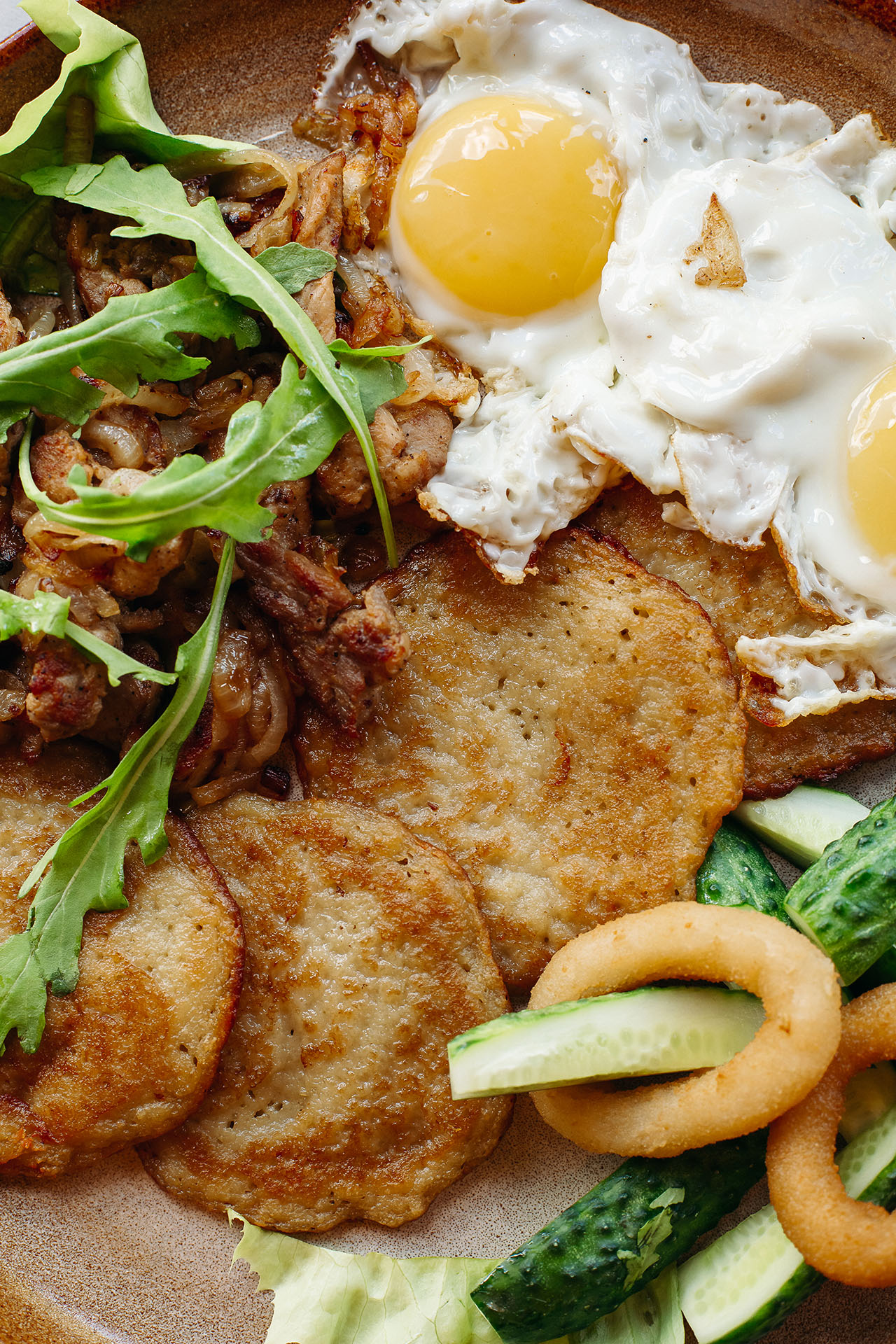
Central European cuisines include a broad range of meat, sausage, potato, grain and vegetable preparations.
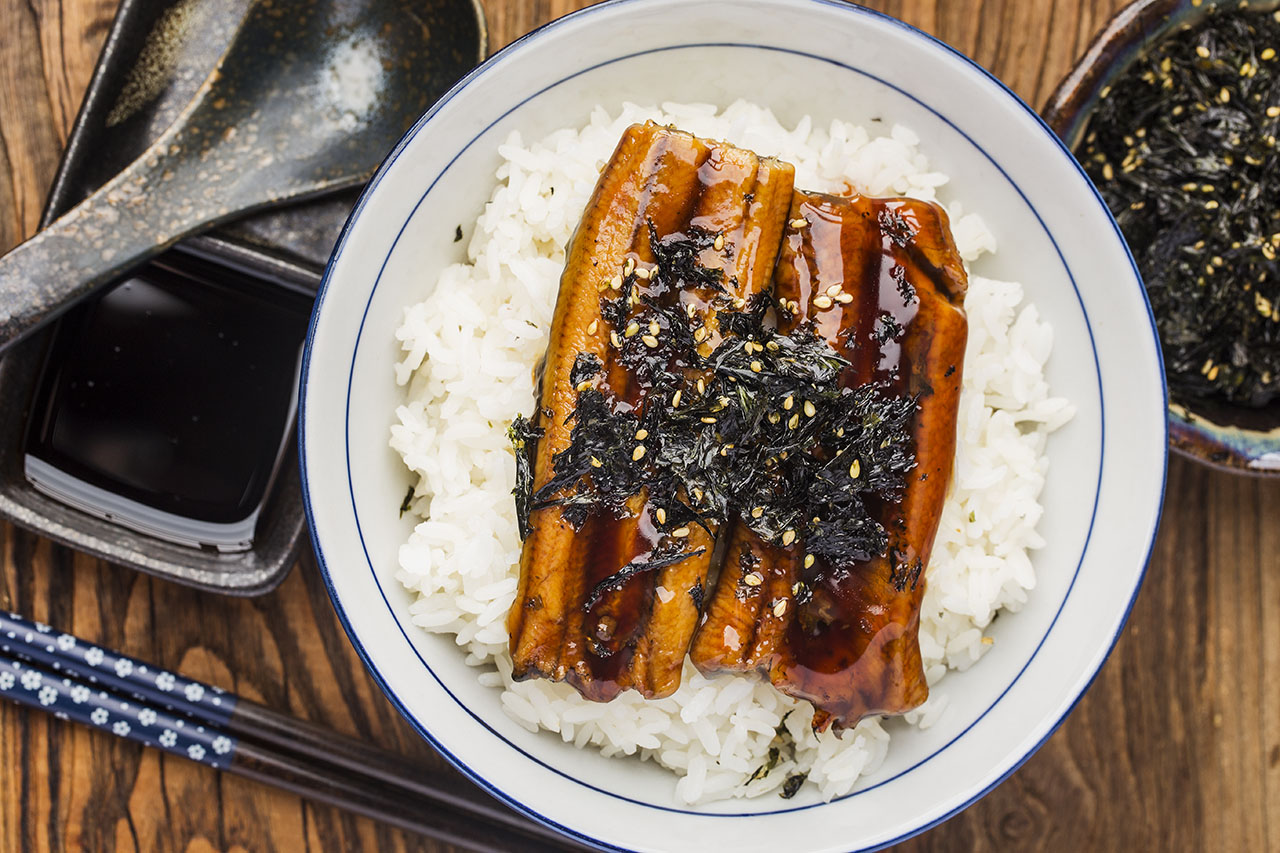
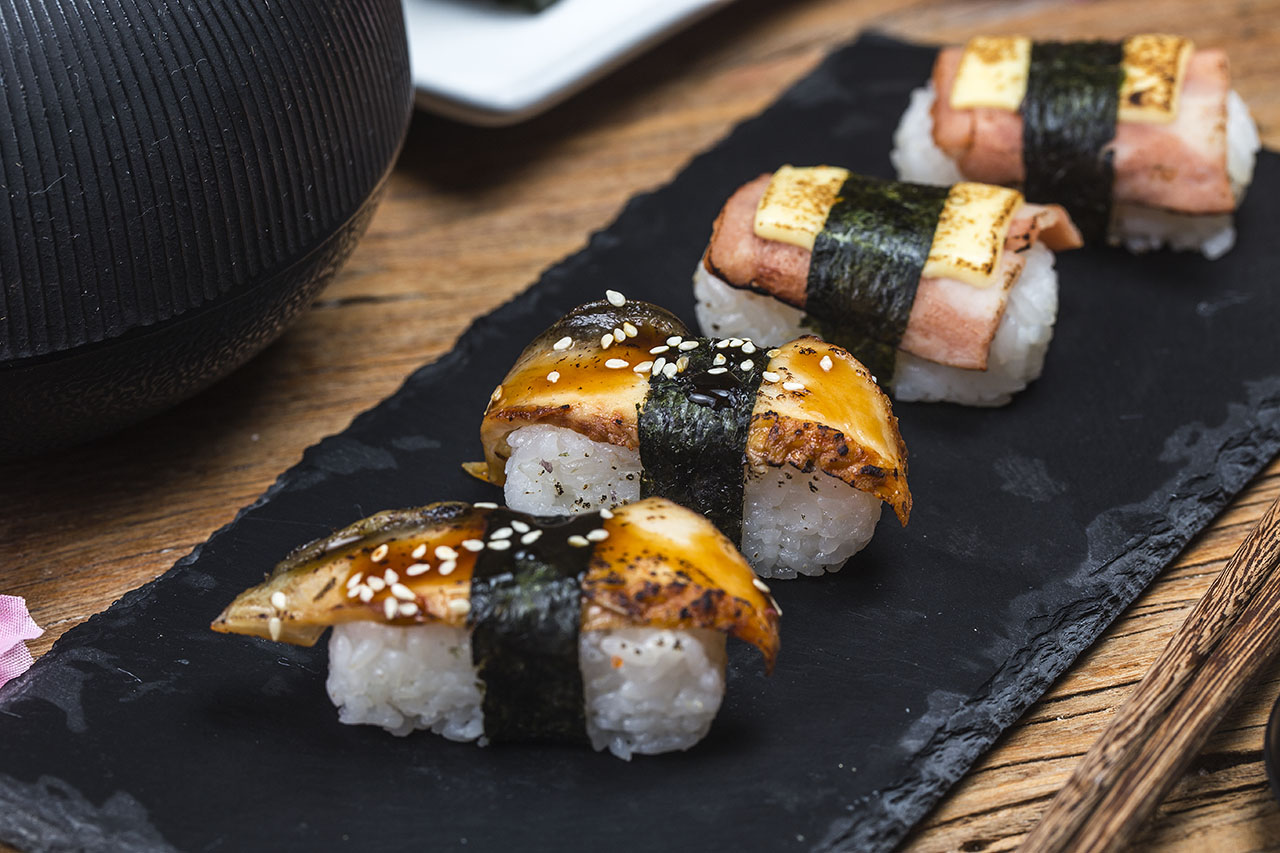
Japanese cuisine has a strong tradition of rice, seafood, soy products, fermented seasonings, pickled vegetables and umami-rich broths.
Novel ingredients can be attractive — or rejectable
Foods considered ordinary in one culture may be unusual in another. The lesson for product developers is not to exoticize those differences, but to understand familiarity thresholds. Consumers are usually more willing to try a novel flavor when at least one part of the sensory profile is recognizable.

Processing style changes flavor identity
Boiling, roasting, grilling, fermenting, smoking, drying and pickling generate different aroma compounds from the same raw material. A “chicken” or “cheese” flavor therefore needs a process reference: roasted, boiled, grilled, smoked, aged, fresh or fermented.

Ingredient pairing is culturally learned
Research in food pairing has shown that cuisines differ in how often ingredients with overlapping aroma compounds are combined. These patterns are not rigid rules, but they help explain why some combinations feel intuitive in one culinary tradition and surprising in another.
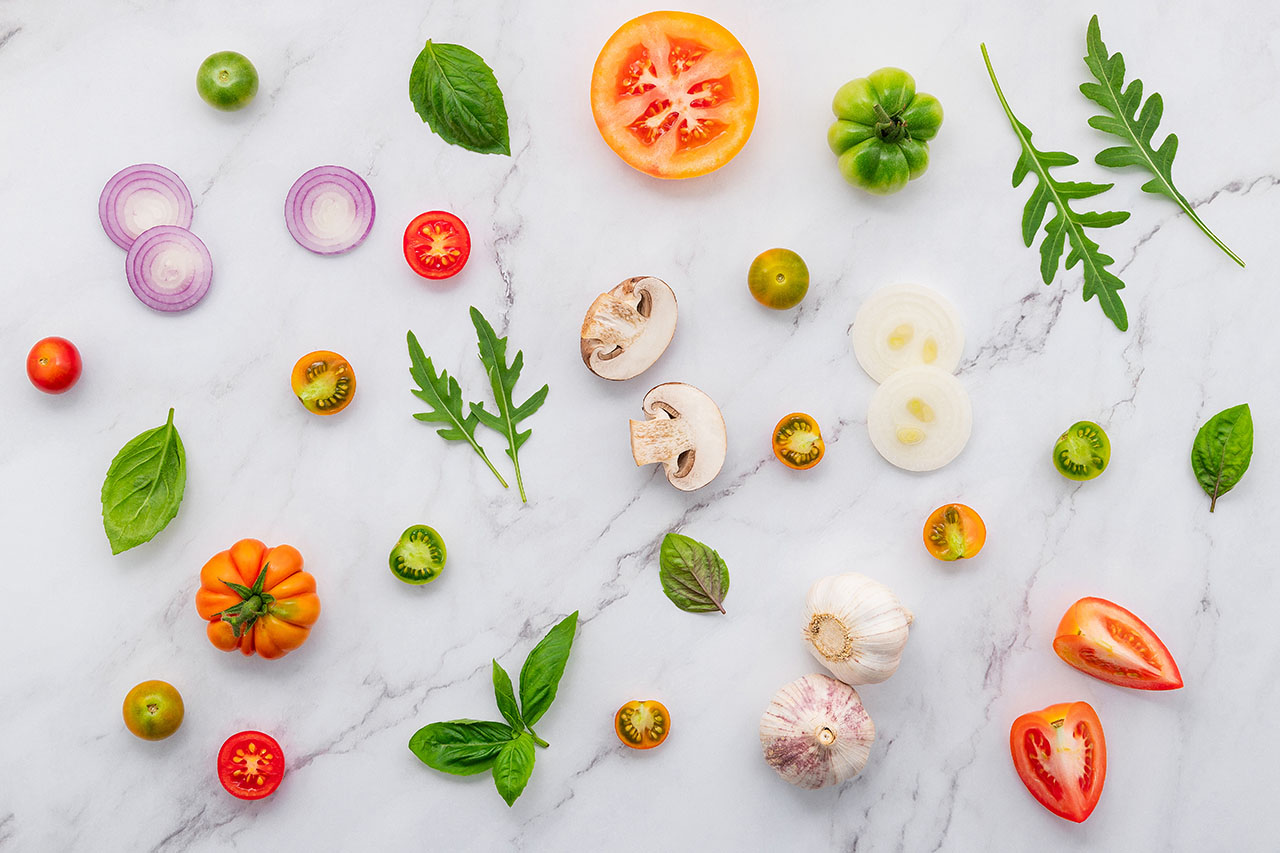
Even familiar flavors need localization
An “orange,” “chocolate” or “blackcurrant” profile is not necessarily universal. Consumers may prefer different balances of fresh juice, peel, cooked fruit, bitterness, milkiness, roast, acidity or sulfurous notes depending on market habits.
For global brands, sensory mapping and local testing are therefore essential.

From cultural insight to product design
WM studies food products and flavor preferences across markets and uses this knowledge to localize profiles rather than simply copying a reference. Our flavorists can adapt international culinary ideas to a target audience while preserving the concept that makes them distinctive.
The portfolio includes Russian, Georgian, Mediterranean, Indian, Chinese, Korean and Central Asian directions, as well as globally recognized sauces, desserts and beverage profiles.