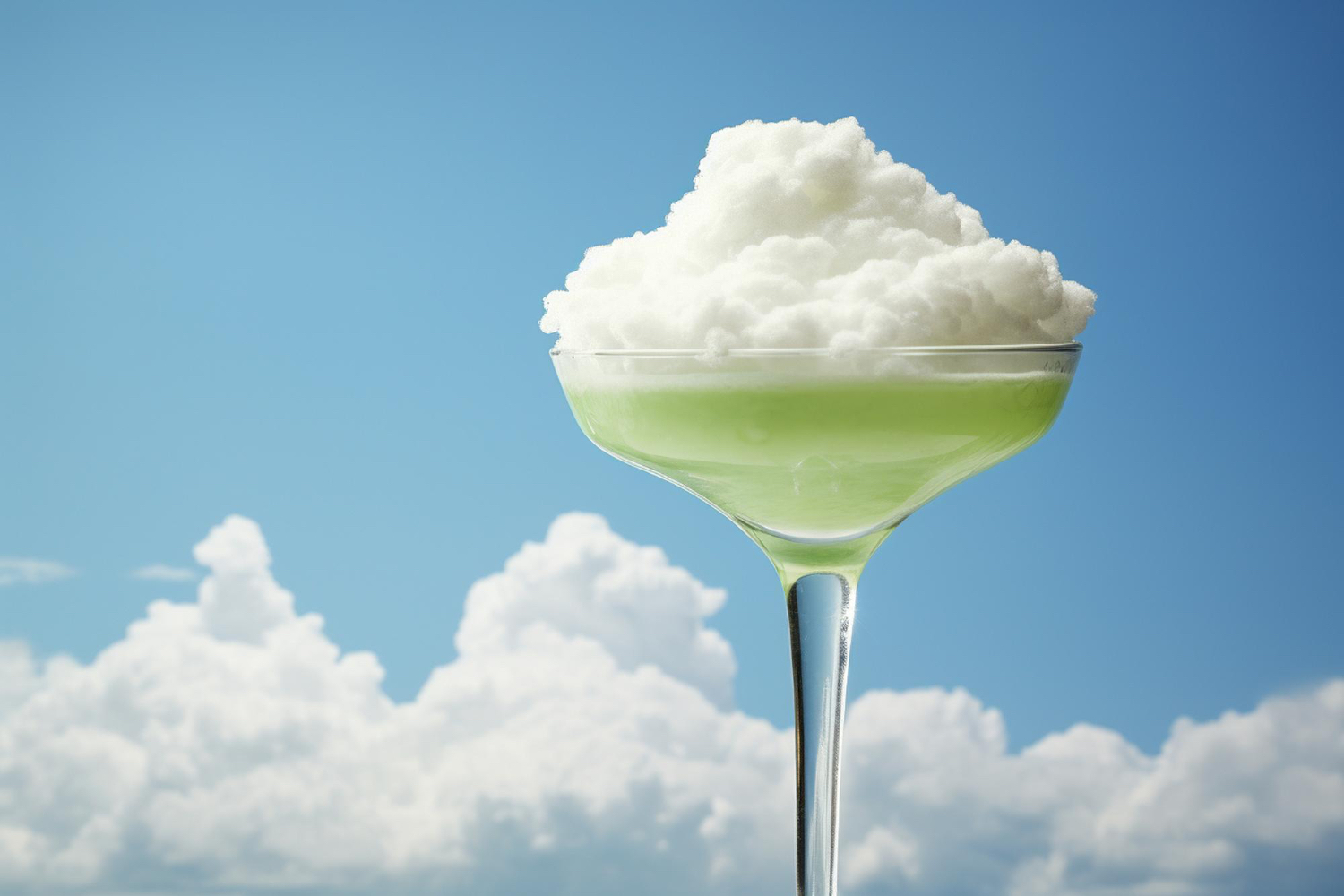
Beverage trends 2026: from visual clarity to sensory depth
Pantone named PANTONE 11-4201 Cloud Dancer, an airy white, its Color of the Year 2026. For beverage developers, the idea of “white” can be interpreted beyond color: clarity, restraint, clean visual language and flavors that feel precise rather than overloaded.
This does not mean blandness. The opportunity lies in creating products with a simple appearance and a layered sensory profile.
The new language of light and “white” flavors
Neutral or pale bases can serve as a canvas for premium flavor combinations. Coconut water and coconut milk, oat and almond bases, rice drinks, tiger-nut beverages and clear citrus systems can all support this direction.
Promising accents include jasmine sambac, orange blossom, violet, peony, pear, white currant, lychee, white fig, vanilla pod, white pepper, sandalwood-inspired notes and creamy-salty profiles.
Premium alcohol-free continues to mature
Alcohol-free beverages are moving away from simple imitation. The strongest concepts build adult complexity through bitterness, tannin, acidity, fermentation, botanicals, tea, spice, smoke and long aromatic finishes.
That opens space for sophisticated sparkling drinks, aperitif-style products, tea-based beverages and culinary soft drinks.
Floral, herbal and botanical profiles
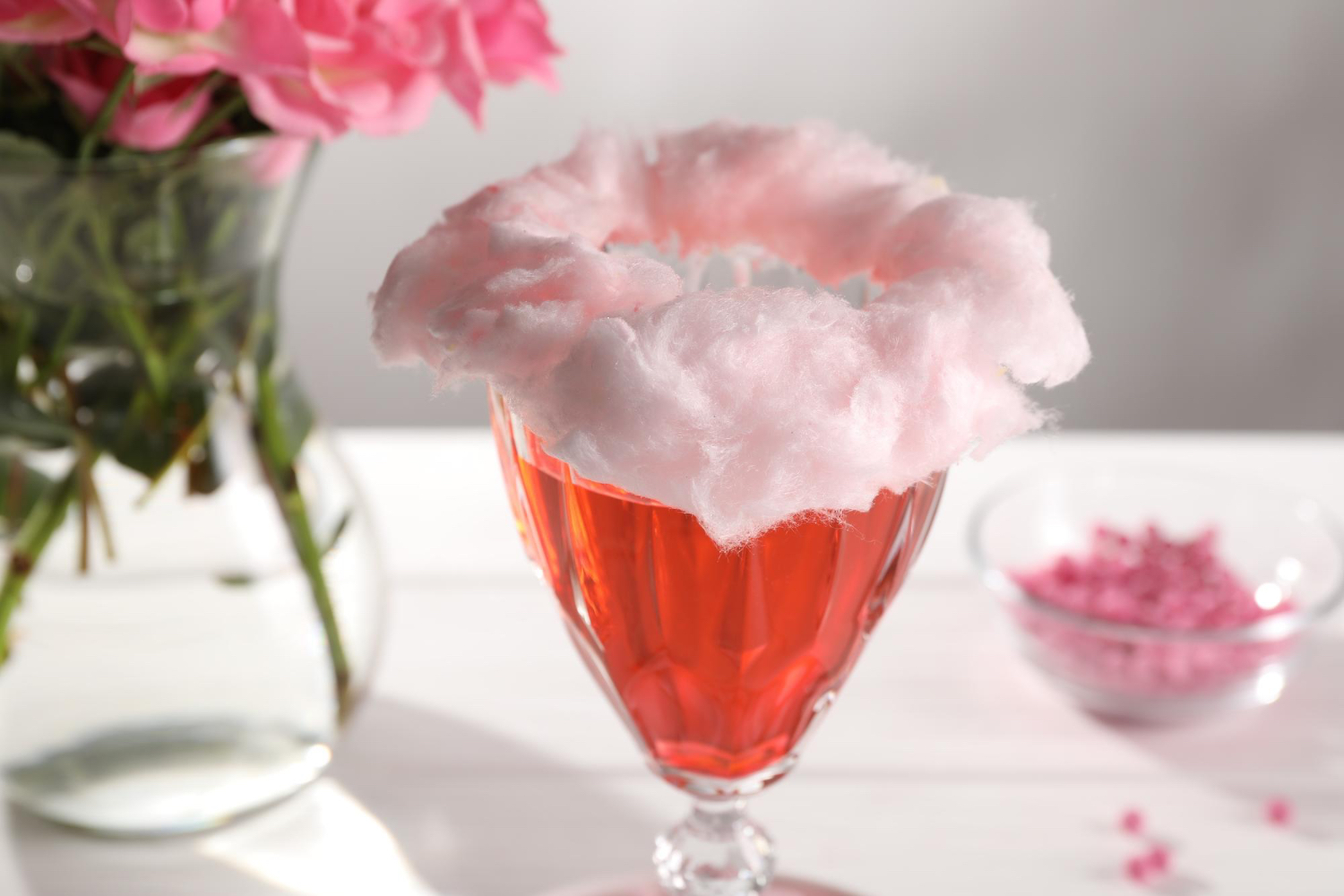
Floral notes are becoming more precise and less perfumery. Jasmine, orange blossom, violet and peony work best when supported by citrus, tea, fruit, herbs or gentle bitterness. Botanical profiles can also help communicate naturalness and premium positioning.
Sour, fermented and savory complexity
Fermentation-inspired acidity, kombucha cues, saline accents and subtle umami can create depth in beverages that would otherwise rely only on sweetness. These ideas are especially relevant for adult soft drinks and gastronomic pairings.
In product development, the goal is balance: savory or fermented notes should broaden the profile without making the drink feel like a liquid food.
Tea and coffee move into premium hybrids
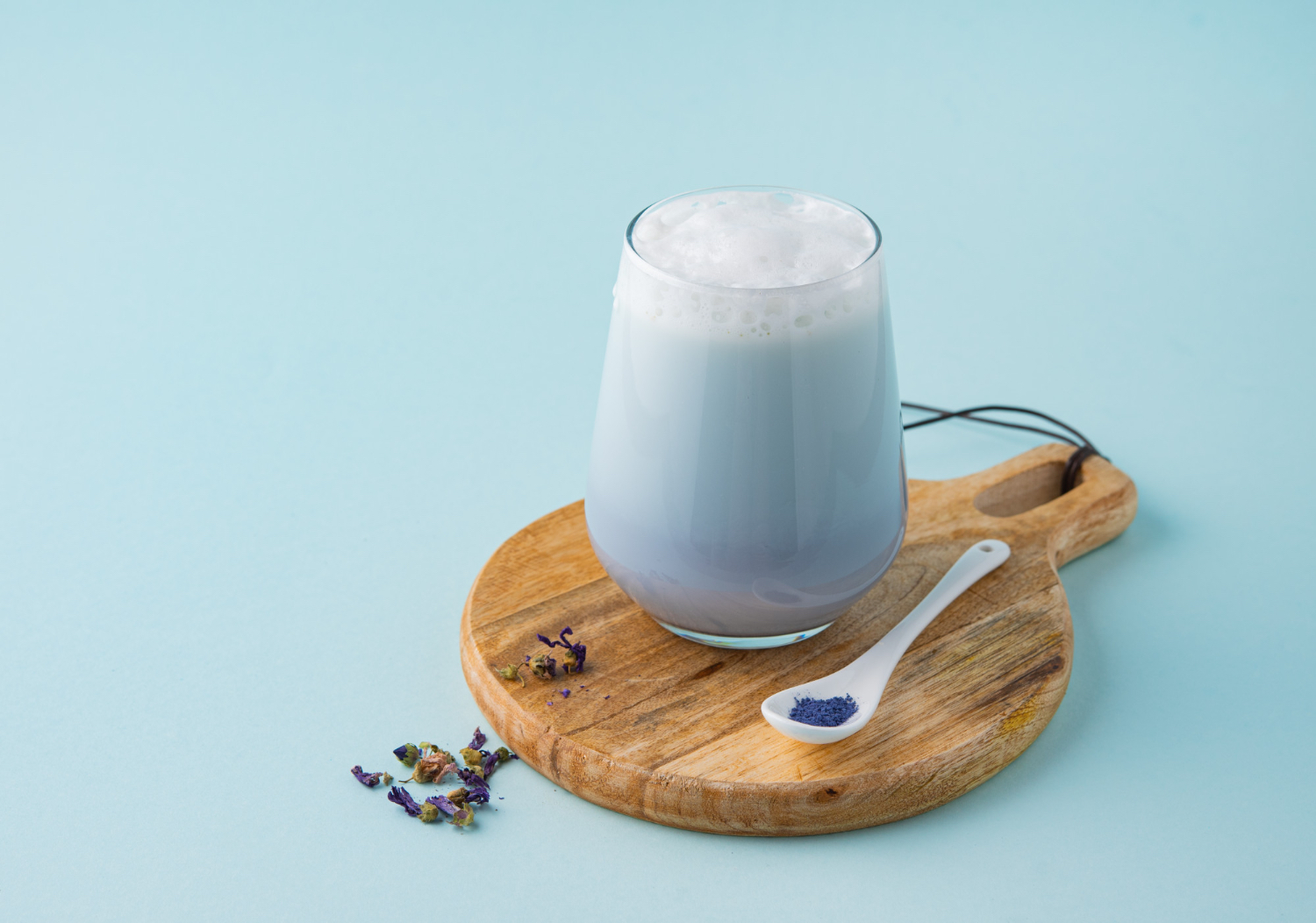
Tea and coffee remain resilient because they can support both familiar and experimental concepts. High-value directions include premium tea varieties, floral teas, roasted and cereal notes, cold coffee, white coffee concepts and coffee combined with spices, nuts, cream or dessert profiles.
Smoke, wood and aged character
Smoky, woody and maturation-inspired notes are useful tools for creating adult complexity, particularly in alcohol-free products. They can suggest barrel aging, roasting or culinary craftsmanship when used with restraint.

Two product-development scenarios
Market conditions can change quickly, so beverage portfolios benefit from having both exploratory and defensive innovation tracks.
When consumers are ready to experiment: focus on botanical complexity, premium tea and coffee, fermented profiles, salty or umami accents, rare fruits, smoke and sophisticated alcohol-free concepts.
When value and familiarity dominate: build around comfort flavors, creaminess, recognizable fruit, accessible exotic notes, classic coffee and tea profiles, and modernized nostalgic combinations.
A resilient beverage strategy
The strongest 2026 concepts are unlikely to depend on a single trend. They combine recognizable taste architecture with one distinctive signal — a botanical accent, unusual texture, fermentation cue, premium origin story or reduced-sugar solution.
WM develops flavor systems for soft drinks, energy drinks, tea and coffee beverages, dairy and plant-based drinks, and alcohol-free concepts, with adaptation to the product matrix and processing conditions.