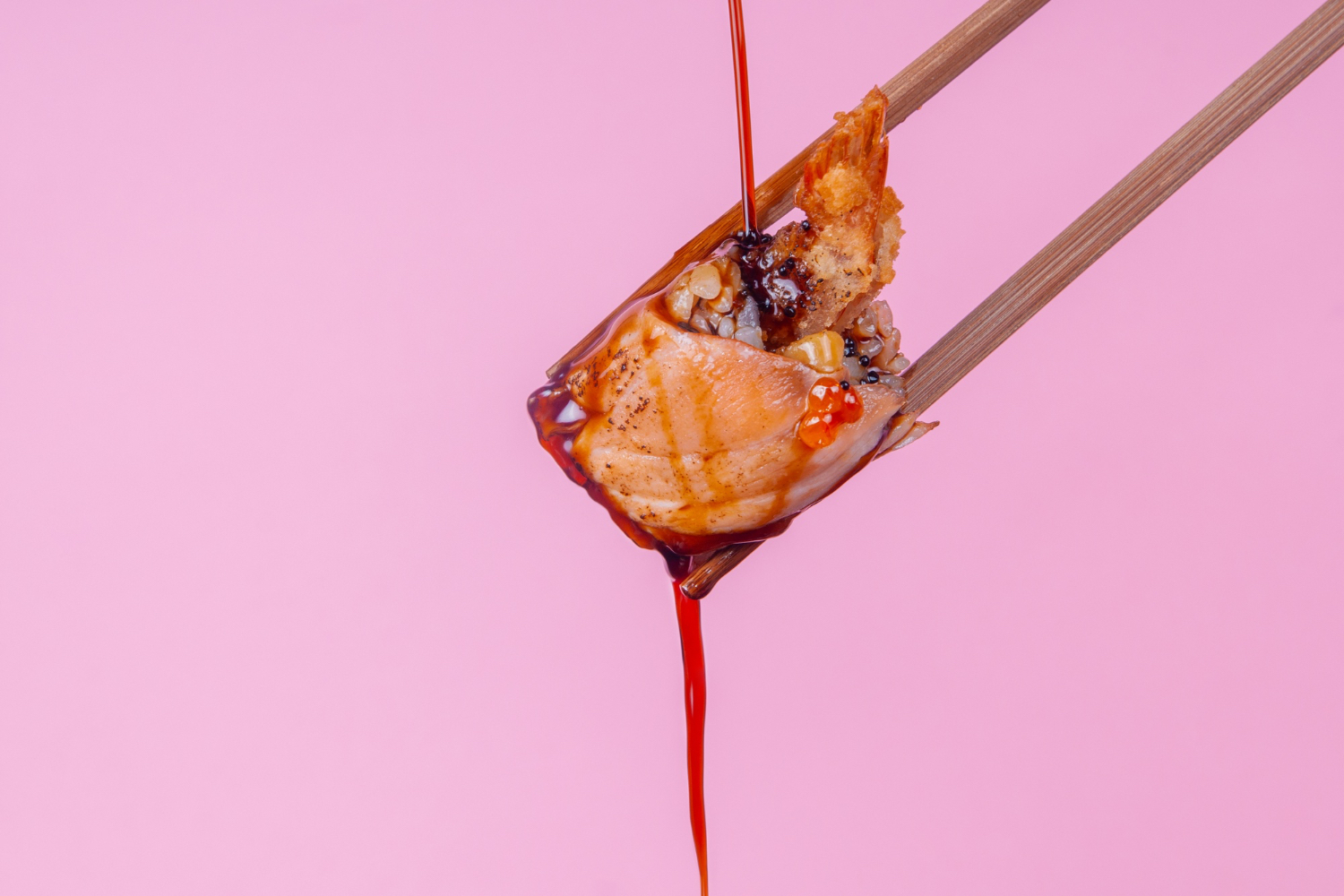
Asian cuisine has moved far beyond restaurant fashion. It has become an everyday consumer preference, and supermarket shelves make that shift easy to see.
Asian flavor is not simply “spicy” or “soy.” Its appeal comes from the balance of salty, sweet, sour, bitter and umami, combined with fermented depth, fresh herbs and a wide spectrum of heat.
In many Asian cuisines, sauce is not a side note — it is the structure of the dish. It can be used as a marinade, cooking medium, seasoning and final finishing layer.
For manufacturers, flavorings and flavor systems offer a practical route to creating a consistent, balanced and recognizable sauce profile while reducing the time needed to move from concept to launch.
The WM collection provides ready starting points for a wide range of contemporary Asian sauce concepts.
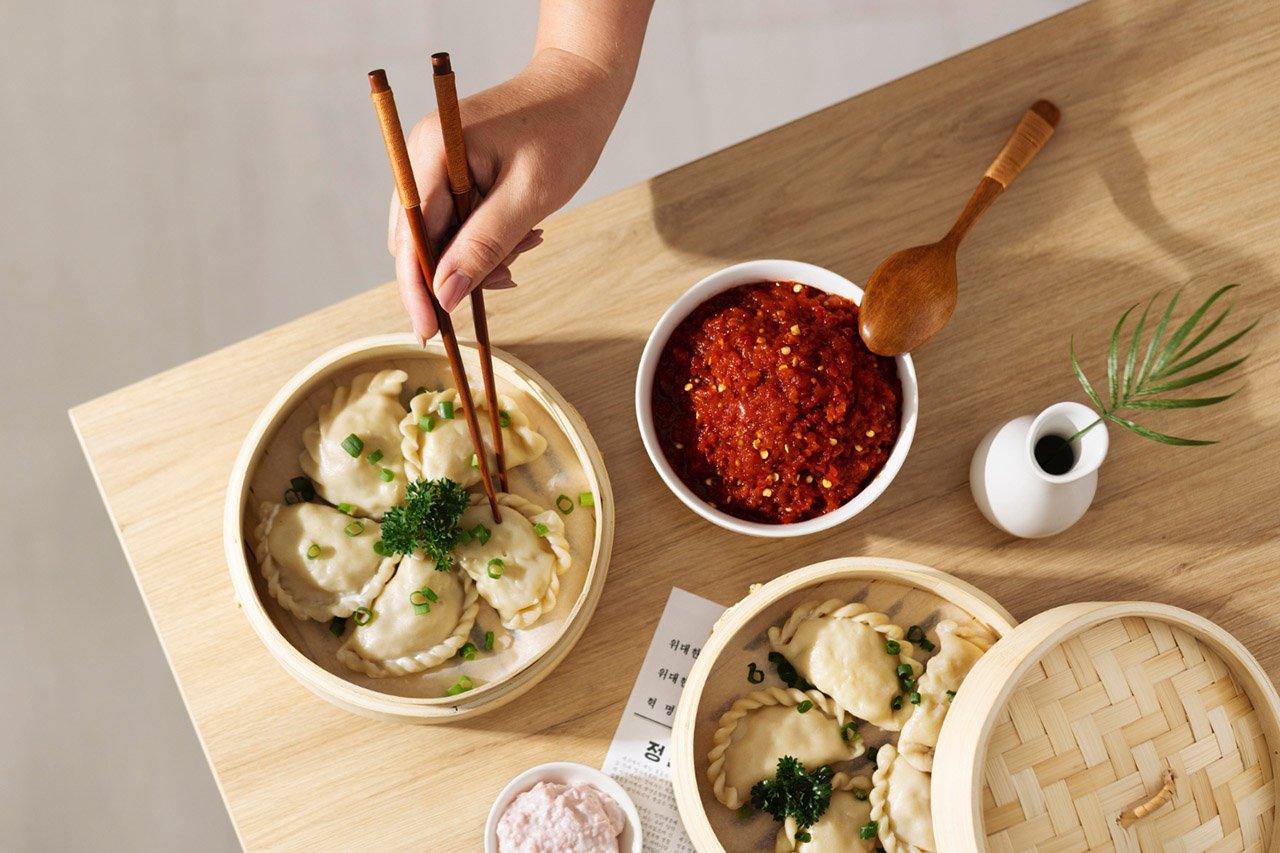
Popular Asian sauces and pastes
GOCHUJANG
This Korean fermented paste traditionally combines red chili, rice, soybeans and salt. Its profile is more complex than simple heat: spicy-sweet, slightly smoky, deeply umami-rich and gently acidic from fermentation.
Typical uses include tteokbokki, bulgogi-style marinades, soups and bibimbap sauces.
WM:
- Gochujang Sauce (Chili Pepper 87800450 + Garlic 87800103 + Soy Sauce 87800254)
- Gochujang Sauce MMK008612
TERIYAKI
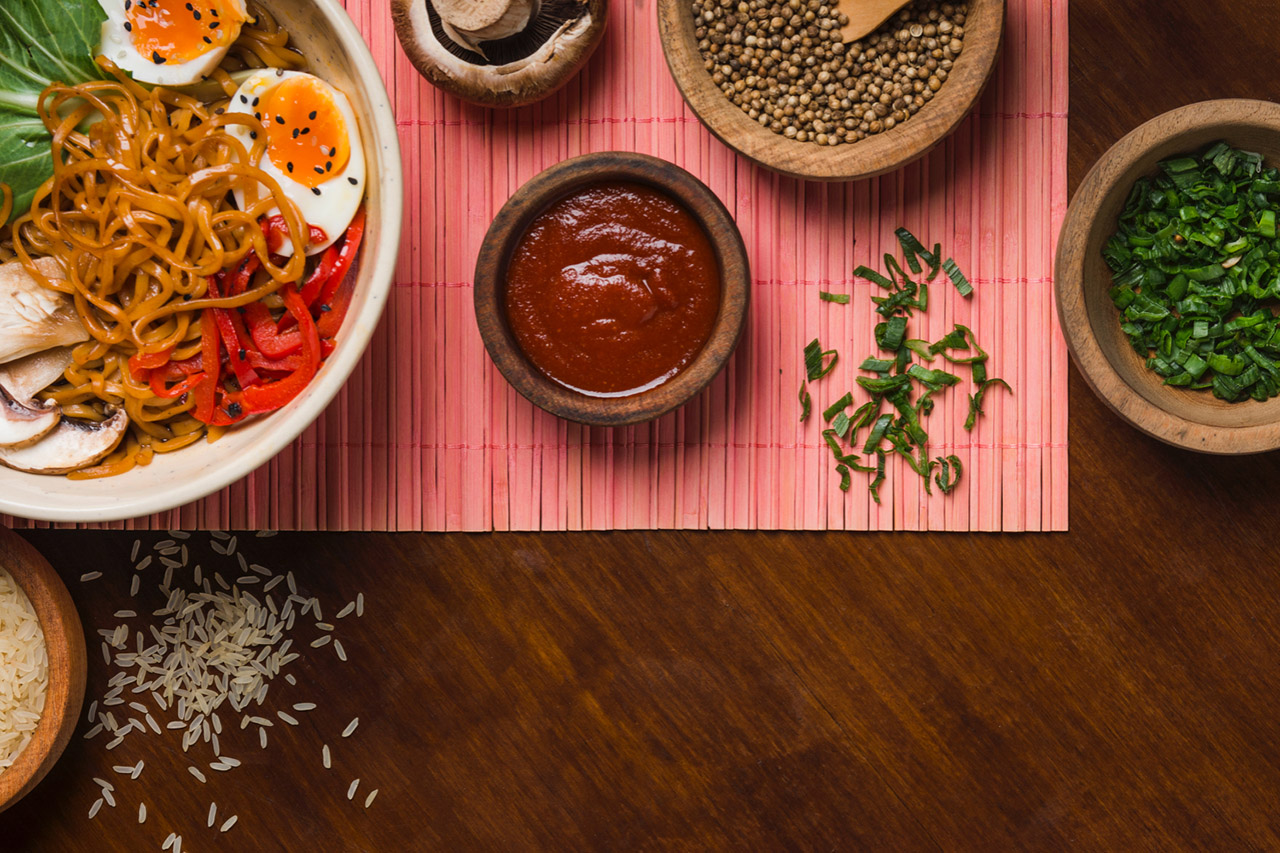
Teriyaki is a classic Japanese profile built around the contrast of salty soy and sweetness from mirin or sugar, often with subtle sake-like notes. Its glossy, glaze-like character makes it instantly recognizable.
Typical applications include grilled chicken, yakitori, salmon, wings, marinades and dipping sauces for gyoza.
WM:
- Teriyaki Sauce 87800255
- Soy Sauce 87800430
- Honey Teriyaki (Teriyaki Sauce 50401343 + Honey 50400525)
SRIRACHA
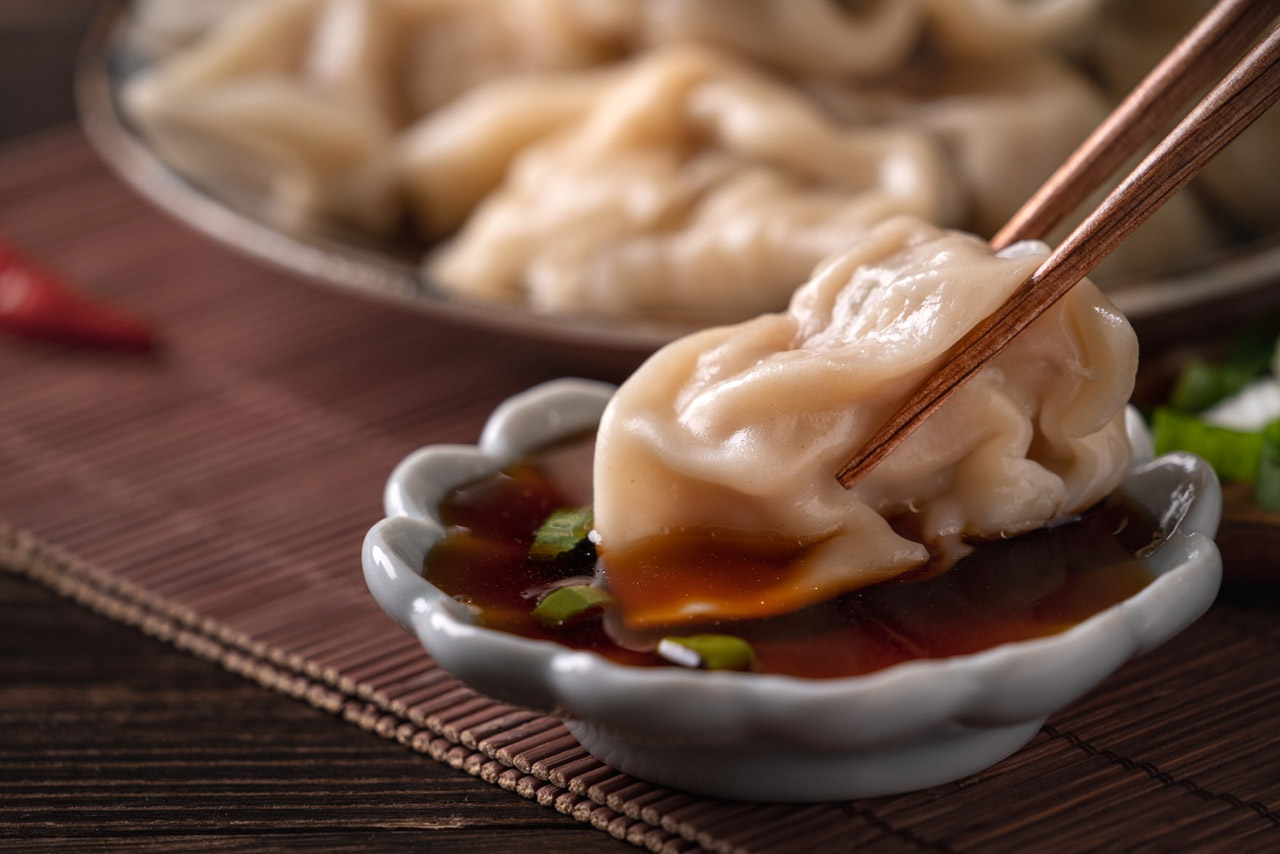
Sriracha is a Thai-style chili sauce built from chili peppers, vinegar, garlic, sugar and salt. Its signature is a bright, clean heat balanced by acidity, sweetness and a clear garlic note.
It works across soups, pho, wok dishes, spring rolls, burgers and even pizza.
WM:
- Sriracha Sauce (Chili Sauce SD000628 + Garlic 87800103)
- Sriracha Sauce MMK008581
- Pineapple Sriracha MMK008428
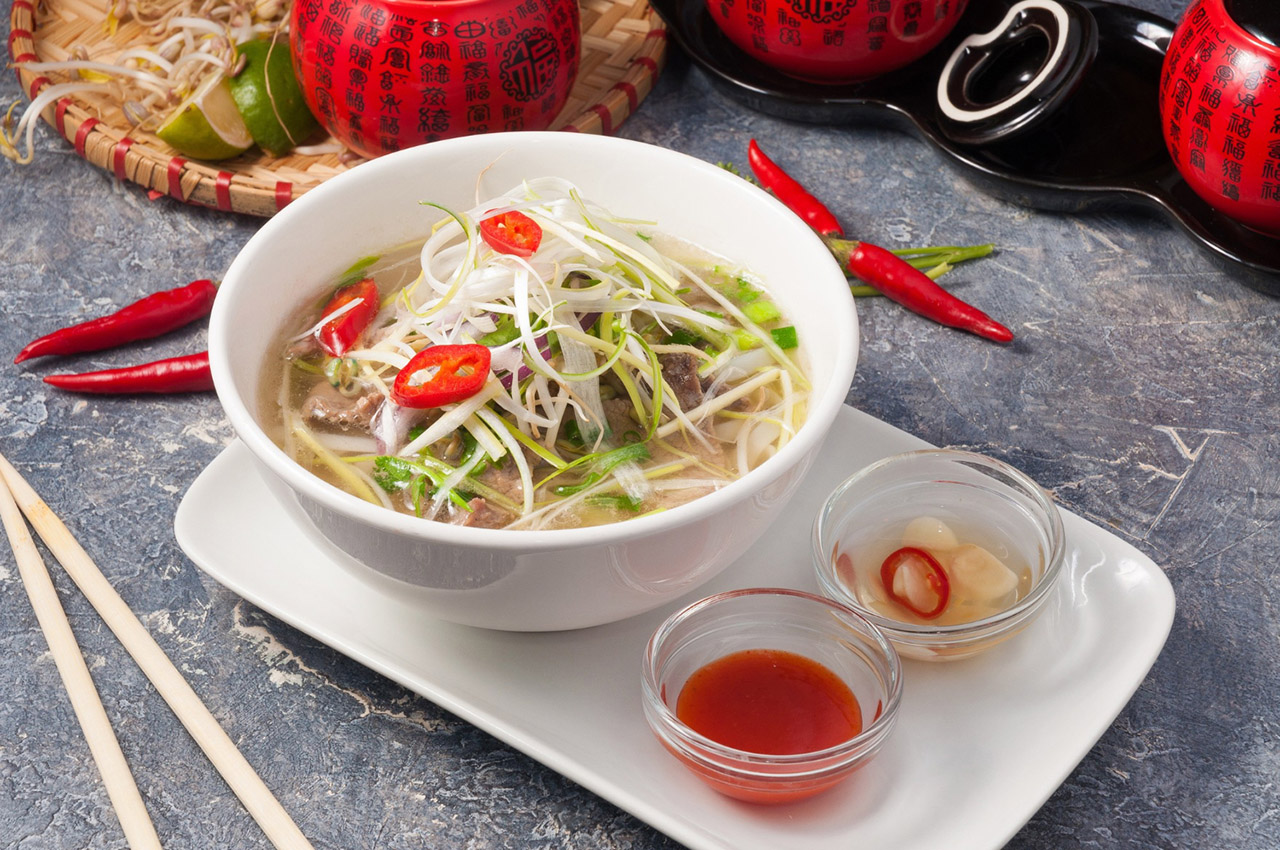
OYSTER SAUCE
A Chinese-style concentrated sauce traditionally based on oyster extract, caramel, salt and sometimes soy sauce. It brings dense umami, marine depth and a restrained sweetness.
It is widely used in stir-fries, beef and mushroom dishes, broccoli, noodles and restaurant-style Chinese sauces.
WM:
- Oyster Sauce 50402024
- Oyster Sauce with Shiitake Mushrooms 20002635
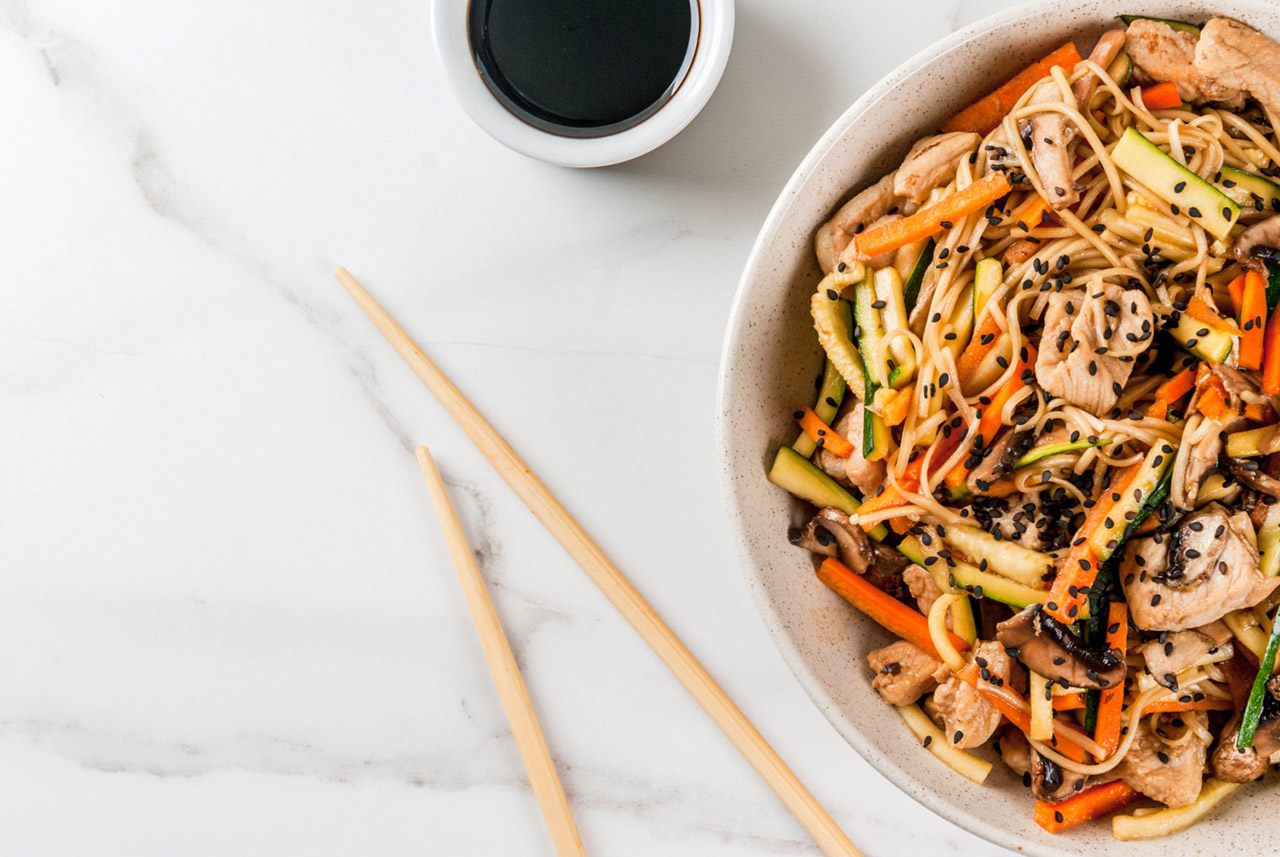
HOISIN
Hoisin is a thick, dark Chinese sauce with a sweet-spiced profile built around fermented soy or bean paste, garlic, chili, vinegar and sugar or molasses. Licorice-like and five-spice notes often add complexity.
It is closely associated with Peking duck, char siu-style marinades, ribs and dipping sauces.
WM:
- Hoisin Sauce 87800447
- Beef in Hoisin Sauce (Beef 20001137 + Hoisin Sauce 87800447 + Chaat Masala 87800390)
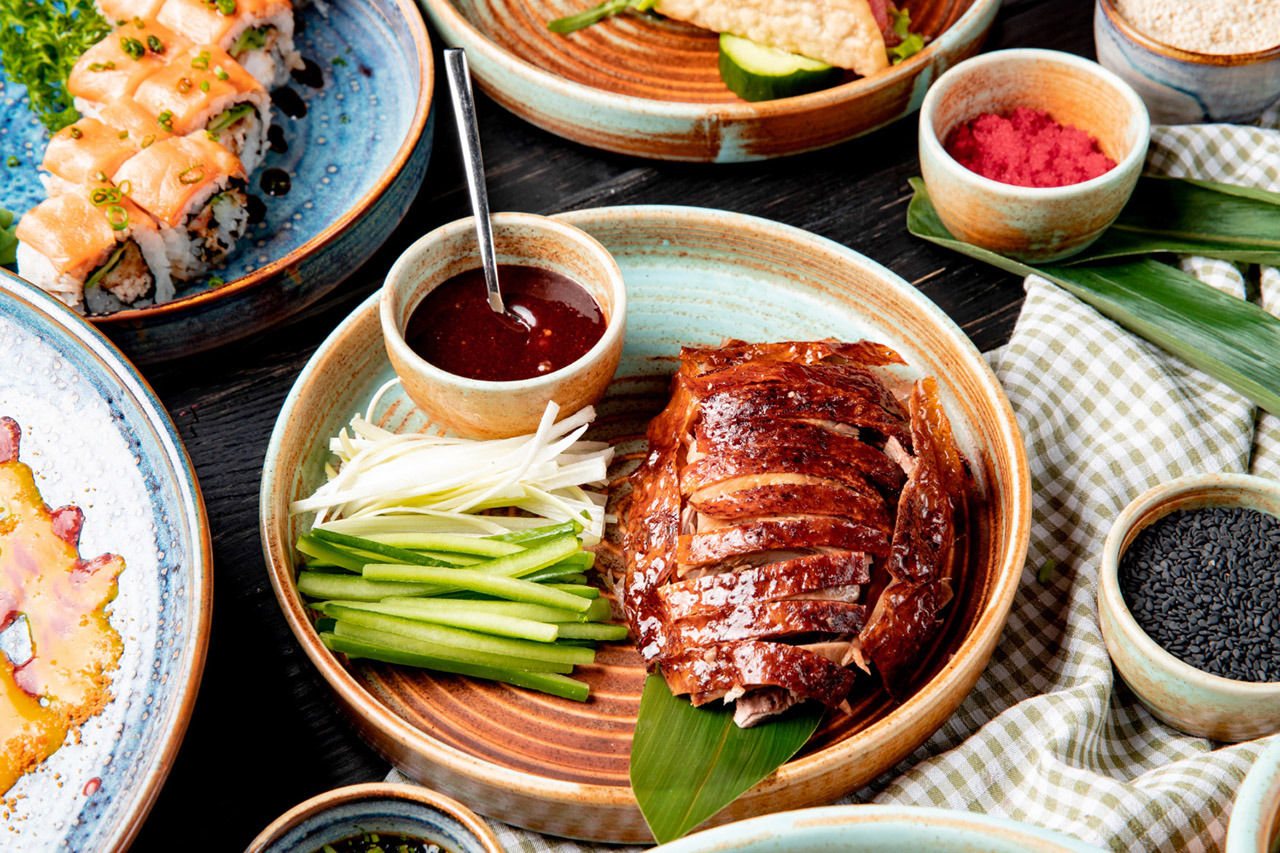
SICHUAN SAUCE
Sichuan-style sauces are defined by the distinctive combination of chili heat and the tingling, numbing sensation of Sichuan pepper — the classic ma-la effect.
The profile works well with fish, tofu, chicken and dumplings, adding both heat and a deep aromatic character.
WM:
- Sichuan Pepper 11002208
- Sichuan Pepper AR404526
- Sichuan Sauce (Sichuan Pepper 50401088 + Chili 87800358)
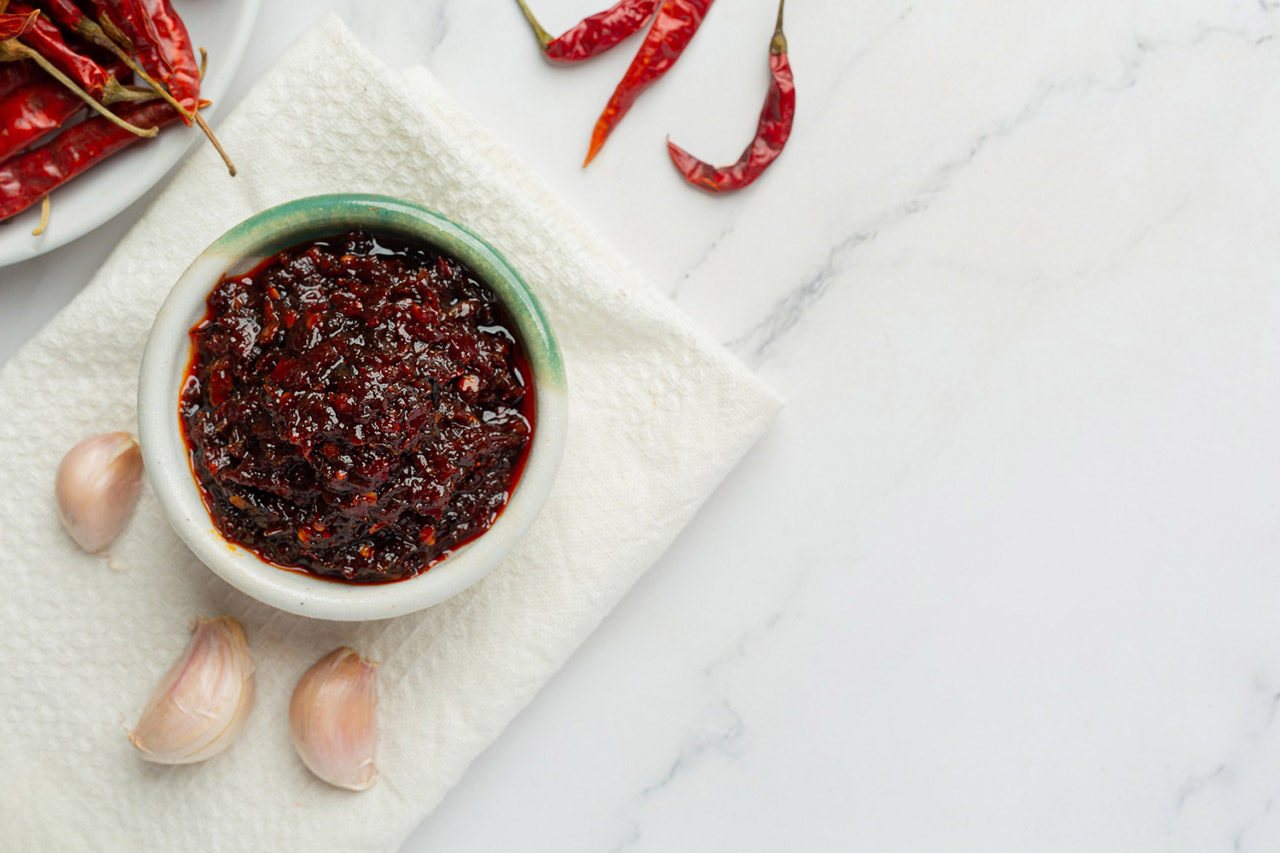
MASALA
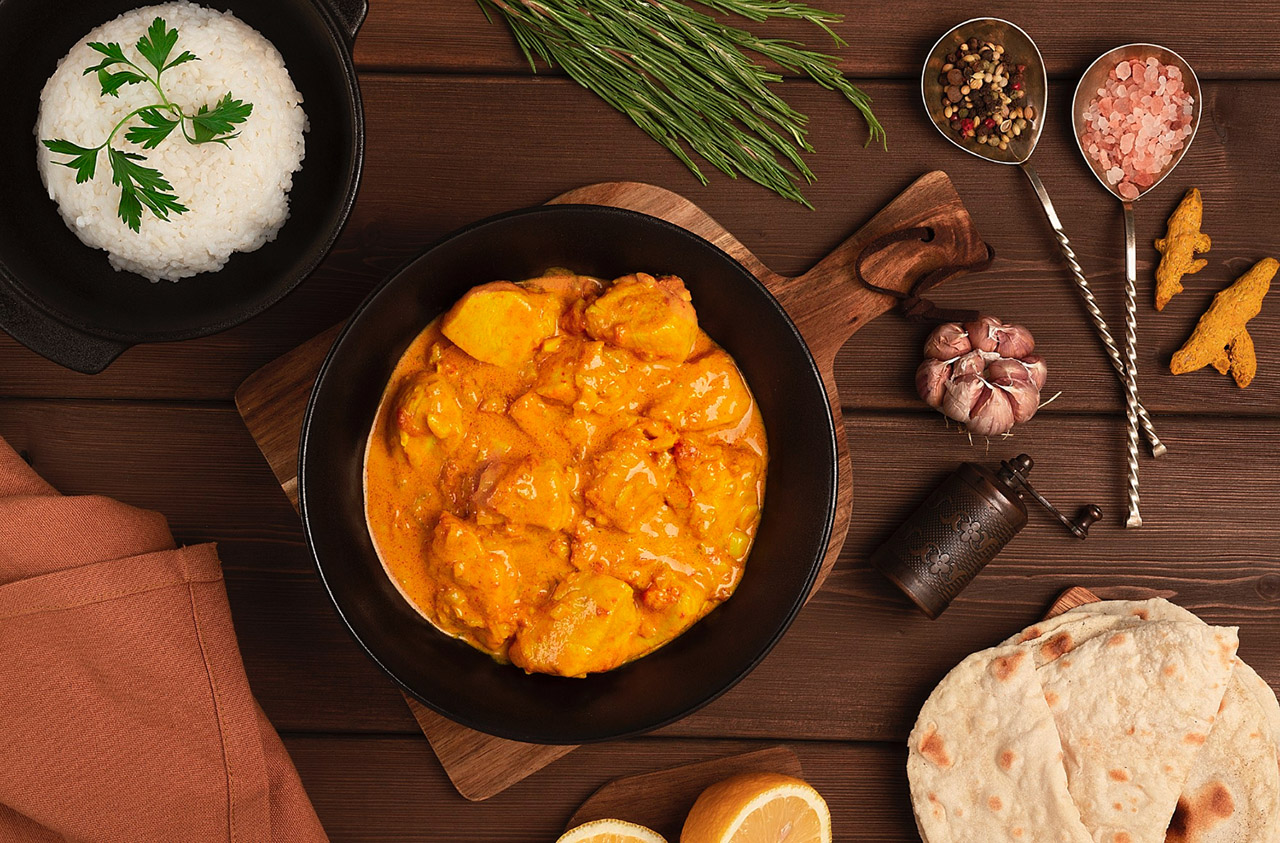
Masala is not one sauce but a principle: the word refers to a spice blend. Masala pastes such as tikka masala or tandoori masala combine aromatics such as ginger, garlic and onion with yogurt and layered dry spices including coriander, cumin, garam masala and turmeric.
Applications range from Indian curries and tandoori marinades to lentil and pulse dishes.
WM:
- Chaat Masala 87800390
- Mast Masala 87800391
- Indian Spices 87800325
- Curry 87800321
The takeaway
Asian sauces distill a cultural approach to balance and contrast. Their appeal comes from depth rather than heat alone: sweet against sour, salt against aroma, fermentation against freshness, richness against brightness.
That is why the trend has become a lasting part of the global flavor vocabulary rather than a short-lived fashion.